
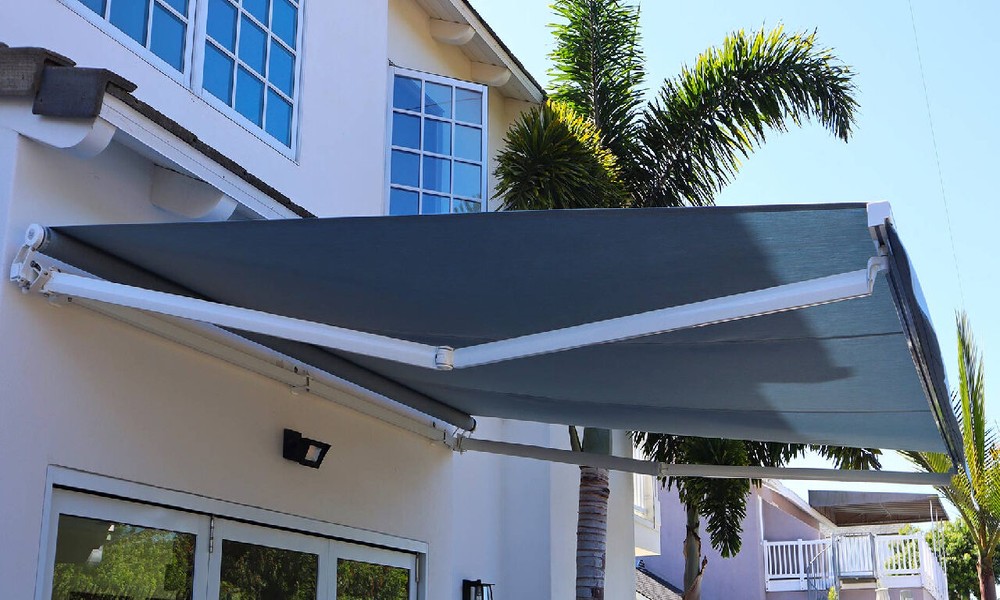
The polycarbonate awning Singapore market has expanded considerably over the past decade, and for reasons that are not difficult to understand once you examine what the material actually delivers in tropical conditions. Polycarbonate has earned its position as one of the most widely specified awning materials across Singapore’s residential and commercial property landscape, not through marketing momentum but through a performance record that holds up under scrutiny. That said, the category encompasses a wide range of product quality, and the difference between a well-specified installation and a poorly chosen one plays out in ways that cost significantly more to remedy than the initial savings were worth.
Why Polycarbonate Works in Singapore
The fundamental appeal of polycarbonate as an awning material is the combination of properties it brings to a single sheet. It is impact-resistant to a degree that glass cannot match, significantly lighter than glass at equivalent thicknesses, capable of transmitting diffused natural light, and when properly UV-stabilised, able to maintain structural integrity across years of equatorial sun exposure.
Singapore’s climate presents a specific and demanding set of challenges for any outdoor building material. Ultraviolet radiation intensity at this latitude degrades unprotected polymers aggressively. Monsoon rainfall arrives in concentrated, high-volume events that test drainage design and material rigidity simultaneously. Persistent humidity creates biological growth pressure on any surface that retains moisture. Polycarbonate awning systems, when correctly specified, address each of these challenges more cost-effectively than most alternative materials at comparable price points.
Understanding the Cost Variables
The cost of polycarbonate awnings singapore varies across a range that surprises many first-time buyers. Quotations for what appear to be similar installations can differ by forty to sixty percent, and understanding why requires examining the variables that actually drive cost.
Sheet Thickness And Profile Type
Sheet thickness and profile type are the most immediate cost differentiators:
- Single-wall corrugated polycarbonate is the most affordable option, offering basic weather protection with limited thermal insulation. Entry-level installations using this material typically range from SGD 80 to SGD 120 per square metre installed
- Twin-wall flat polycarbonate, which incorporates an air channel between two skin layers, delivers meaningfully better thermal performance and greater rigidity. Installed costs generally fall between SGD 120 and SGD 180 per square metre
- Multiwall polycarbonate with three or more internal channels represents the premium tier within the polycarbonate category, offering the best combination of thermal insulation, light diffusion, and structural stiffness. Installed costs for quality multiwall systems range from SGD 180 to SGD 280 per square metre or above depending on sheet thickness and frame specification
Frame Material And Construction
Frame material and construction account for a significant portion of total installation cost and have a direct bearing on how the entire structure performs over time. Powder-coated aluminium frames represent the appropriate specification for Singapore conditions, providing corrosion resistance that mild steel frames cannot sustain in high-humidity environments without ongoing maintenance. Frame cost should be understood not as a component to economise on but as the structural foundation on which the entire installation depends.
UV Coating Quality
UV coating quality is a cost variable that is invisible at the point of purchase but highly visible within three to five years of installation. Polycarbonate sheets without adequate UV-stabilising coatings will yellow, become brittle, and develop surface crazing under Singapore’s ultraviolet exposure in a timeframe that makes the initial saving irrelevant. Quality UV-protected sheets carry a measurable price premium that is consistently justified by the performance differential.
Durability: What Honest Assessment Looks Like
A Singapore polycarbonate awning installed with quality materials and proper technique should deliver the following realistic service life expectations:
- UV-protected twin-wall polycarbonate panels: 10 to 15 years before significant discolouration or brittleness becomes apparent
- Powder-coated aluminium frames: 20 years or more with periodic cleaning and inspection
- Sealant and weatherproofing joints: 5 to 7 years before renewal is advisable to prevent water ingress
The honest caveat is that these figures assume the UV coating on the polycarbonate sheet remains intact. Once the coating degrades, the degradation of the underlying material accelerates rapidly. Annual inspection of sheet surfaces for early discolouration or surface hazing is the single most effective early warning system for polycarbonate panel performance.
Installation Factors That Affect Long-Term Performance
The durability of any polycarbonate awning system is substantially influenced by the quality of installation:
- Adequate drainage gradient is essential. A minimum fall of 1 in 50 prevents water pooling on flat or near-flat installations, which accelerates algae growth and panel degradation
- Thermal expansion gaps must be correctly calculated and incorporated at sheet edges and fixings. Polycarbonate expands and contracts with temperature changes, and insufficient expansion allowance causes panel buckling and fixing failure over time
- All cut edges of polycarbonate sheets should be sealed with aluminium tape to prevent moisture and insects from entering the internal channels of twin-wall and multiwall profiles
- Fixings should use neoprene or EPDM washers to prevent cracking at fixing points, which are the most common initiation sites for panel failure
Approval Requirements in Singapore
As with all external awning installations, polycarbonate awning Singapore projects on HDB properties require town council approval before work commences. Condominium installations require written consent from the Management Corporation Strata Title body. Engaging an installer who addresses these requirements proactively is a reliable indicator of their overall professional standard.
Conclusion
The polycarbonate awning category rewards buyers who invest the additional effort required to understand what separates a durable, cost-effective installation from one that will require premature replacement. Specify quality UV-protected sheets, insist on proper aluminium framing, verify that drainage and thermal expansion requirements are addressed in the installation design, and ensure all required approvals are in place before work begins. Do these things consistently, and a properly specified polycarbonate awning singapore installation will deliver reliable, long-lasting performance that fully justifies the investment.