
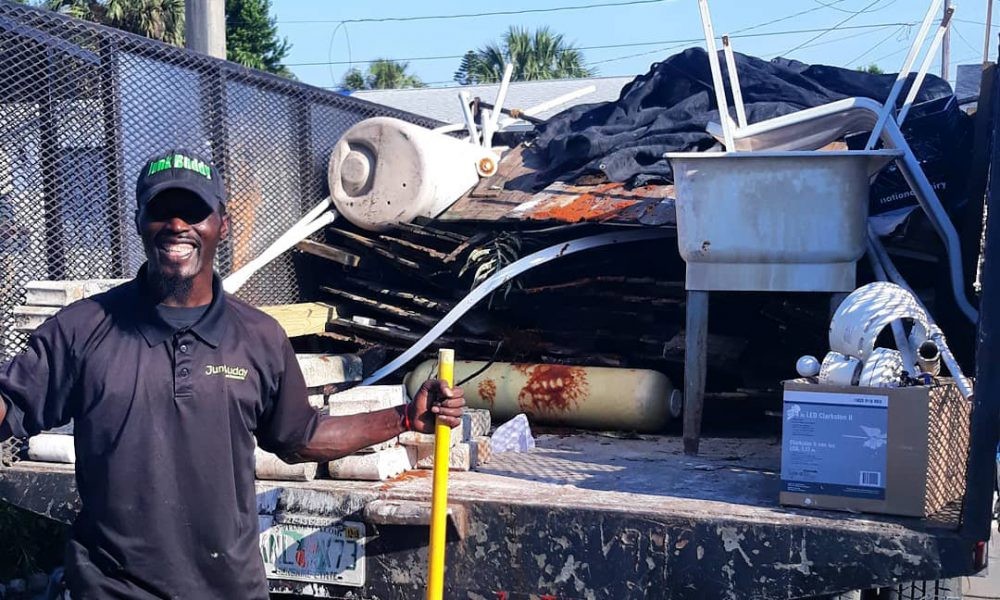
Whether you are clearing out a cluttered flat or tidying up after a renovation, junk removal is one of those tasks that most people put off until the mess becomes unbearable. The sheer volume of unwanted items – old furniture, broken appliances, stacks of cardboard – can feel overwhelming. Yet there is a straightforward logic to it all, once you understand what can be collected and how it is properly disposed of.
In Singapore, where space is at a premium and environmental regulations are strict, knowing the right approach to waste removal matters more than you might think. This guide walks you through the most commonly accepted items and the disposal methods behind them.
Household Furniture and Bulky Items
Old sofas, mattresses, bed frames, wardrobes, and dining tables rank among the most frequently collected items in any junk removal job. These bulky pieces are difficult to move on your own, and they rarely fit into standard rubbish bins.
Professional rubbish collection services typically handle these with ease. Crews arrive with the right vehicles and manpower to carry heavy items down narrow corridors and staircases. Once collected, furniture in reasonable condition may be redirected to charitable organisations or second-hand dealers. Items beyond repair are broken down and sent to proper disposal facilities.
Electrical and Electronic Waste
Television sets, washing machines, refrigerators, microwave ovens, desktop computers, and printers all fall under electronic waste, commonly known as e-waste. These items require special handling because they often contain hazardous materials such as lead, mercury, and cadmium.
Responsible junk hauling providers separate e-waste from general rubbish and channel it to licensed recycling plants. In Singapore, the Extended Producer Responsibility scheme encourages manufacturers and consumers alike to ensure e-waste is processed correctly. Simply tossing an old laptop into a bin is not just wasteful – it can be harmful.
Renovation and Construction Debris
Home improvement projects generate a surprising amount of waste. Hacked tiles, plaster, timber offcuts, metal fixtures, and broken fittings pile up quickly. This type of debris removal demands more than a regular bin collection.
Most debris from renovation work is classified as construction and demolition waste. Licensed contractors transport it to designated disposal sites, where recyclable materials like metal and concrete are separated from the rest. If you are managing a renovation, scheduling a dedicated trash disposal service early in the project saves time and prevents illegal dumping.
General Household Clutter
Beyond the big items, everyday clutter accounts for a significant share of what junk removal crews handle:
- Clothing, shoes, and fabric items
- Books, magazines, and old newspapers
- Kitchenware such as pots, pans, and crockery
- Toys, sports equipment, and hobby supplies
- Garden tools, pots, and outdoor furniture
These items are often in perfectly usable condition. A good waste removal company will sort through what can be donated or recycled before consigning anything to a landfill.
Hazardous and Restricted Items
Not everything can be tossed into the back of a lorry. Certain materials are restricted or require specialised disposal:
- Paints, solvents, and chemical cleaners
- Car batteries and motor oil
- Gas cylinders and pressurised containers
- Medical waste and sharps
- Asbestos-containing materials
If you are unsure whether an item qualifies, check with your service provider beforehand. Reputable junk removal firms will advise you on what they can and cannot collect, and point you towards the appropriate channels for hazardous waste.
How Disposal Methods Work
Once items are collected, they do not all end up in the same place. The process is more considered than most people realise.
Recycling is the first priority for metals, plastics, glass, and paper products. Singapore’s recycling infrastructure has expanded considerably, and professional services are well-versed in directing materials to the right facilities.
Donation and resale channels handle items that still have useful life. Furniture, electronics in working order, and clothing are routinely redirected rather than destroyed.
Incineration is the most common method for non-recyclable general waste in Singapore. The city-state’s waste-to-energy plants convert rubbish into electricity, reducing landfill dependency.
Landfill at Semakau remains the final destination for incineration ash and materials that cannot be processed any other way.
“The future of Singapore depends on how we manage our resources and our waste.” – Lee Hsien Loong
Choosing the Right Provider
Selecting a reliable waste removal service comes down to a few practical considerations. Look for licensed operators who are transparent about their pricing and disposal practices. Read reviews, ask about their recycling policies, and confirm that they handle the specific items you need cleared.
Timing matters as well. Many providers offer same-day or next-day collection, which is especially helpful during a move or renovation. A quick phone call or online booking is usually all it takes to get things rolling.
Final Thoughts
Clearing out unwanted items does not have to be a dreaded chore. With the right knowledge of what is accepted and how disposal works, the entire process becomes manageable and even satisfying. Whether you are dealing with bulky furniture, electronic waste, renovation debris, or everyday clutter, there is a proper channel for each category. The key is to plan ahead, choose a responsible provider, and take comfort in knowing that much of what you discard can be recycled or reused. For anyone in Singapore looking to reclaim their space, professional junk removal remains the most efficient and responsible way forward.