
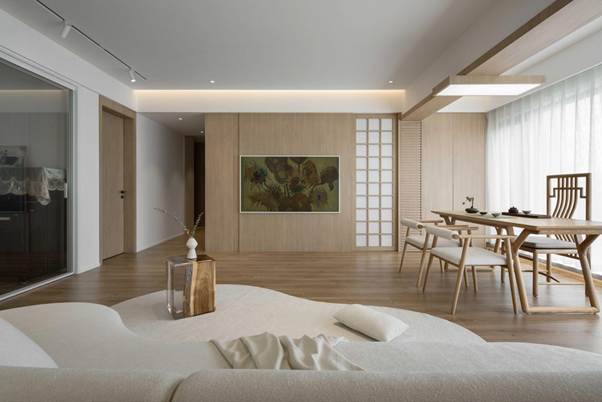
Feng Shui has been a part of Asian living spaces for centuries, influencing how homes are arranged for harmony, energy flow, and prosperity. Yet, the rise of sleek, contemporary interiors has led many homeowners to believe that these principles might clash with modern style. In reality, a skilled interior design company in Singapore can integrate Feng Shui seamlessly, creating spaces that are both visually appealing and spiritually balanced. This approach ensures that traditional beliefs and modern tastes work in unison rather than in conflict.
Understanding Feng Shui in a Modern Context
Feng Shui is not about turning a home into a shrine of superstition; it is about creating a living environment where energy can flow without obstruction. Leading experts in interior design often start with key principles like optimal furniture placement, balanced elements, and maximised natural light. Instead of heavy traditional décor, designers reinterpret these principles using contemporary lines, minimalist shapes, and neutral palettes, allowing the home to maintain its stylish appeal while respecting ancient wisdom.
Space Planning Without Clutter
One of the cornerstones of Feng Shui is the unobstructed flow of qi (energy), which directly ties into how spaces are laid out. A professional interior design companywill ensure that doorways are not blocked by furniture, that main seating areas have clear sightlines, and that rooms feel open without being empty. This approach can mean using slim-profile furniture, concealed storage solutions, and modular pieces in modern homes. These keep the home functional while preserving the clean, airy aesthetic often associated with contemporary design.
Colour and Material Choices
Feng Shui incorporates the five elements—wood, fire, earth, metal, and water—which can be subtly represented through colour and material selection. Instead of overly thematic displays in a modern home, Singapore interior design professionals may use light oak flooring for wood, brushed brass fittings for metal, and deep blue accent walls to evoke water. This method ensures that the symbolic presence of these elements enhances the space without overwhelming it, maintaining a refined and cohesive visual identity.
Balancing Light and Energy Flow
Natural light plays a vital role in both Feng Shui and modern design. Designers often place mirrors strategically to reflect light into darker corners, a practice that boosts energy flow while also making small spaces feel larger. Sheer window treatments are preferred over heavy drapes in high-rise apartments as these allow sunlight while softening glare. This approach preserves the airy, open feel that modern interiors demand while keeping in line with Feng Shui’s emphasis on vitality and brightness.
Integrating Statement Pieces with Purpose
Modern interiors thrive on focal points, whether a piece of art, a designer light fixture, or a unique piece of furniture. A thoughtful interior design companycan align these statement pieces with Feng Shui principles, such as placing a striking artwork in the wealth area of the home or selecting round dining tables to encourage inclusivity and good relationships. This approach ensures that visual appeal and positive energy work together rather than compete for attention.
Conclusion
Blending Feng Shui with contemporary interiors is not about compromise; it’s about informed creativity. A well-versed Singapore interior design team understands how to respect cultural beliefs while delivering the clean lines, open spaces, and stylish finishes that homeowners desire. Designers can create spaces that look modern yet feel deeply balanced and harmonious by treating Feng Shui as a framework rather than a restriction. The result is a home that satisfies both the eye and the spirit, proving that tradition and innovation can coexist beautifully.
Contact Carpenters and let us help you design a home that captures the elegance of modern interiors while honouring Feng Shui principles.