
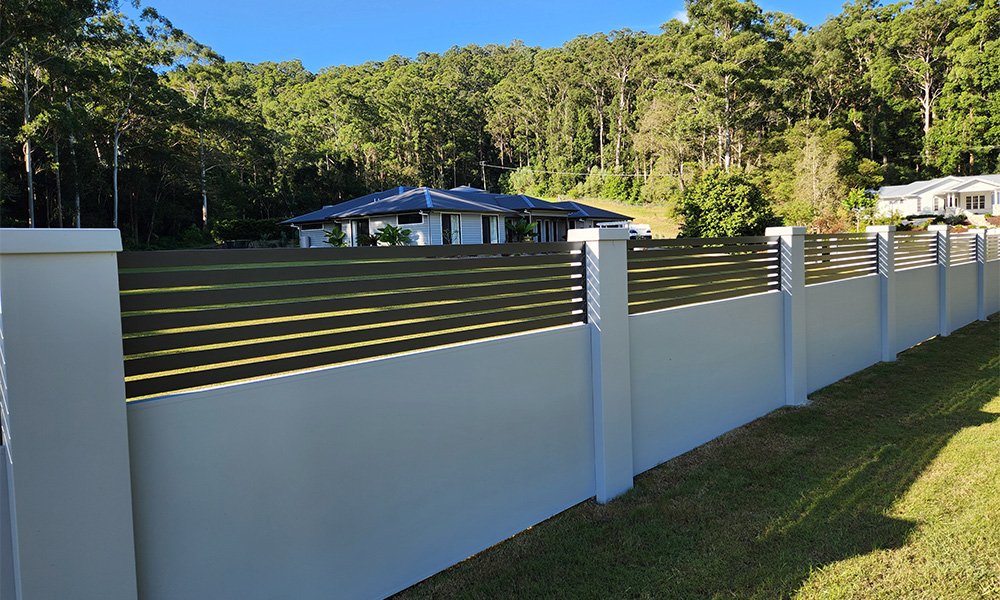
For years, fence repairs were the default option. A panel came loose, you replaced it. A post leaned, you reset it. It felt practical, quick, and cost-effective. In 2026, that approach is changing. Across York and surrounding areas, more homeowners are skipping repairs altogether and moving straight to replacement. Many start by searching for fencing companies near me expecting a quick fix, only to realise the problem runs deeper. A growing number then explore options through York Fencing to understand whether repairs will genuinely solve anything long term.
After decades working as a fencing contractor, I can say this shift is not about impatience. It is about experience. Homeowners have learned that repairs often do not extend lifespan in a meaningful way. In many cases, they simply delay a larger, unavoidable job.
Why repair costs no longer feel like a quick fix
Repairs used to feel like small jobs. A panel swap. A post reset. A few hours of work.
That has changed. Material costs have risen again over the past year. Labour has followed. Even a simple repair now feels like a considered expense.
When homeowners carry out two or three repairs over a short period, they begin to question the logic. The total spend creeps close to the cost of full fence installation, without improving the overall structure.
That comparison is driving a different mindset in 2026.
Fixing the symptom instead of the structure
One thing I see often on local jobs is repeated work on the same section of fence.
A panel is replaced, but the post beneath it is already weakening. A rail is reinforced, but the surrounding posts are moving.
The visible problem is fixed, but the structure remains compromised.
Over time, this becomes frustrating. Homeowners start to realise that they are treating symptoms rather than solving the root cause.
Clay soil movement makes repairs unpredictable
York’s clay soil continues to be a major factor.
Clay expands when saturated and shrinks during dry periods. That movement never stops. It works against fence posts year after year.
I usually install posts at around 600mm to 750mm depth to reduce this effect. Many older fences are much shallower.
If a post has already loosened due to soil movement, resetting it without addressing depth or drainage often leads to the same issue returning.
Repairs in these conditions can feel like a short-term solution at best.
Wetter ground conditions are shortening repair lifespan
Ground conditions over the past couple of years have stayed consistently damp for longer periods.
Soil remains soft. Timber holds moisture. Fixings corrode faster.
Even well-executed repairs struggle to hold when the surrounding structure is already weakened by moisture.
Homeowners notice that repairs simply do not last as long as they used to.
Why repeated repairs create visual problems
Repairs do not just affect structure. They affect appearance.
New panels next to older ones create contrast. Timber tones vary. Sections begin to look uneven.
In 2026, more homeowners care about how their garden looks as a whole. Outdoor space is used more. It is seen more.
A fence that looks patched together no longer feels acceptable for many people.
The shift toward long term solutions
There has been a clear shift toward long term thinking.
Instead of asking how to fix one issue, homeowners are asking how to avoid future problems altogether.
That often leads to replacement rather than repair, especially when multiple posts or panels are involved.
The focus has moved from short-term savings to long-term value.
Composite fencing and changing expectations
Material awareness has improved significantly.
Composite fencing cost is higher upfront, but more homeowners now understand what they are paying for. Consistency, durability, and minimal maintenance.
When compared against repeated timber repairs, the value becomes clearer.
Composite does not absorb moisture in the same way. It holds its shape. It reduces ongoing work.
That is influencing repair decisions.
Concrete posts reducing repeat failures
Concrete posts are now a common upgrade when replacing fencing.
Timber posts fail first, usually at ground level where moisture sits.
Concrete removes that weak point. It remains stable in damp soil and does not rot.
Homeowners who have replaced timber posts more than once often decide not to repeat the cycle.
New build issues are accelerating the trend
New build fencing continues to be a factor in 2026.
Posts are often set into made-up ground that has not fully settled. Drainage varies across the plot.
Movement appears sooner than expected. Repairs become frequent.
Rather than continuing to repair, many homeowners choose to upgrade the entire run.
Drainage is changing how people think about repairs
Drainage is now part of the conversation more often.
If water collects around the base of posts, soil softens and movement continues.
Repairing without improving drainage leads to repeat issues.
Homeowners who understand this are less likely to invest in short-term fixes.
When repairs still make sense
Repairs are still the right option in certain situations.
Localised damage. Early-stage movement. Strong overall structure.
Homeowners reviewing fence repair services in York often find that repairs can extend lifespan when the underlying structure is still sound.
The key is identifying whether the problem is isolated or part of a wider pattern.
Disruption versus repeat inconvenience
Repairs can seem less disruptive in the short term.
But repeated visits, ongoing issues, and recurring costs create long-term inconvenience.
Replacing once often means a single period of disruption followed by years of stability.
This practical consideration is influencing more decisions in 2026.
Buyer expectations are higher
Property buyers are more aware of boundaries.
A fence that looks inconsistent or unstable raises questions about maintenance.
Homeowners preparing to sell are increasingly choosing replacement over repair to remove that concern.
A clean, straight boundary supports confidence.
Timing is influencing decision making
Repairs are often reactive. Something breaks, and it gets fixed.
Replacement can be planned. Dry conditions. Better installation. More time to choose materials.
Homeowners are recognising that planned work produces better outcomes than emergency fixes.
The economics of doing it once
From a long-term perspective, doing the job once is often more efficient.
Repeated repairs do not improve the underlying structure. They extend lifespan slightly but do not reset it.
Full replacement allows for deeper posts, improved drainage, and better material choices.
Fencing is now part of broader home planning
Fencing is no longer treated as an isolated issue.
Homeowners exploring garden fencing installation options are thinking about how boundaries fit into the overall garden design and long-term property plans.
This broader view naturally favours replacement over repair.
Why this shift is continuing into 2026
From decades working across York, it is clear why fence repairs are becoming less popular.
Costs have risen. Conditions have changed. Expectations are higher.
Repairs still have their place, but more homeowners now see them for what they are – a temporary solution.
Replacing earlier, with better materials and proper installation, is becoming the more reliable way to avoid repeat problems and maintain a boundary that actually performs over time.