
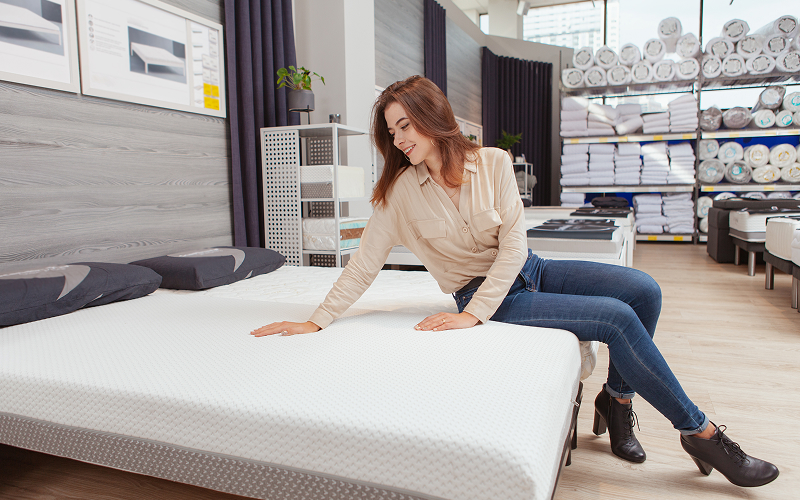
An orthopaedic mattress is specifically intended to support the spine, joints, and the entire musculoskeletal system. Unlike standard mattresses, which often prioritise general comfort or a luxurious feel, an orthopaedic mattress is engineered with firm support layers to maintain optimal spine alignment and minimise pressure points. This type of mattress is ideal for people who suffer from persistent back pain, arthritis, joint soreness, or postural difficulties. It typically incorporates high-density foam or coil systems that deliver targeted support across key zones like the lower back, shoulders, and hips. However, not every mattress labelled “orthopaedic” is medically certified, which raises concerns around marketing claims versus actual support features.
How Does an Orthopaedic Mattress Differ from a Standard or Affordable Mattress?
The fundamental distinction lies in structural composition. Most affordable mattress models are made using standard polyfoam or simple innerspring systems without reinforced zones. While they may offer general comfort for average sleepers, they are less suitable for those with chronic pain or spinal conditions. Orthopaedic mattresses, in contrast, are often constructed with multi-layered support foam, memory foam with high resilience, or individually pocketed springs with zoning for weight distribution. These materials are chosen for their ability to prevent sagging and reduce movement transfer, two key issues for sleepers with orthopaedic concerns.
That said, not all affordable mattress options lack orthopaedic benefits. Some value-driven brands now offer hybrid models that incorporate elements of orthopaedic design without the high price point. For example, a backpedic mattress might feature contour zones and lumbar support at a more accessible cost. These budget-friendly alternatives are worth exploring, provided they demonstrate real ergonomic support.
Are Backpedic Mattresses a True Orthopaedic Alternative?
The term “backpedic mattress” refers to products that are ergonomically crafted to support the spine—often marketed as an orthopaedic alternative. While not always medically certified, many backpedic mattresses incorporate technologies similar to orthopaedic designs, such as high-density foam cores, multi-zone pressure relief, and cooling features for temperature regulation. Some also include posture-correcting memory foam layers that contour the spine and prevent pressure build-up during sleep.
Whether a backpedic mattress qualifies as truly orthopaedic depends on its construction and consistency. Buyers should look for specifications such as firmness level (medium-firm to firm is ideal), support zones, and material certifications like CertiPUR-US or OEKO-TEX. Backpedic options can strike a balance between price and performance, especially for consumers unwilling to spend on premium orthopaedic ranges.
Should You Really Pay More for an Orthopaedic Mattress?
The answer depends on your health condition, sleep quality, and budget. Paying more for a quality orthopaedic mattress can provide long-term benefits if you suffer from chronic musculoskeletal pain, stiffness, or posture issues. Better spinal alignment, reduced joint pressure, and uninterrupted sleep cycles can result in improved daily functioning and overall well-being.
However, for individuals without specific back problems or chronic conditions, a well-constructed, affordable mattress or a backpedic mattress may be sufficient. Many mid-range products now incorporate orthopaedic features such as lumbar zoning, firm edge support, and anti-sagging technology without crossing into premium pricing tiers. Ultimately, it’s not just about the label but the material quality, durability, and design purpose of the mattress. A higher price tag does not always guarantee clinical-grade support.
Conclusion
An orthopaedic mattress provides significant benefits in terms of support and spine alignment, but not every consumer should spend a premium for it. Since affordable mattress options and backpedic mattress models incorporate many of the same features, the key lies in evaluating mattress specifications rather than brand marketing. Those with persistent back disorders may benefit from investing in a certified orthopaedic product, but others may find adequate support from less expensive options that are developed with ergonomics in mind.
Visit ScanKomfort to explore mattress options tailored for spinal support.