
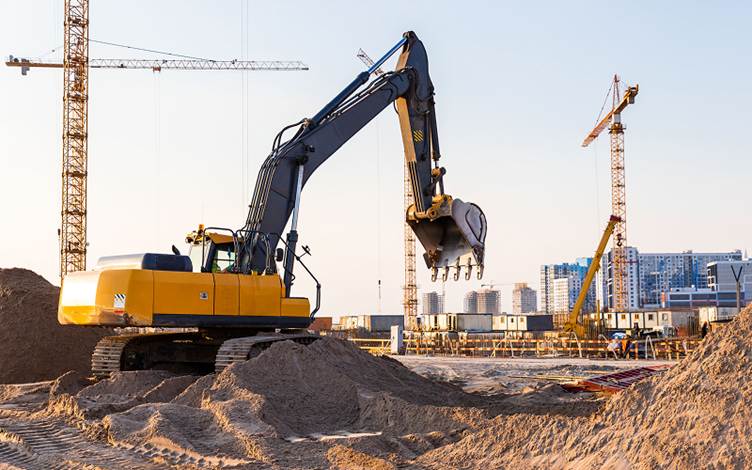
Starting a house construction project in Singapore involves more than architectural designs and material choices. It requires an in-depth understanding of permits, regulations, and compliance standards. Navigating the approval process is crucial to avoid legal complications, penalties, or project delays. Engaging an experienced building construction contractor who understands the process from start to finish can significantly improve the outcome. This guide outlines what homeowners must expect when undertaking construction and why a design and build company offers greater efficiency.
URA Planning Permission and Zoning Guidelines
The first step in house construction is obtaining planning permission from the Urban Redevelopment Authority (URA). URA ensures that all developments align with Singapore’s land use and zoning policies. This action involves reviewing aspects such as plot ratio, site coverage, building height, setbacks, and the type of dwelling permitted on the land. Failing to comply with zoning rules could result in rejection or costly modifications.
To streamline the approval process, most homeowners engage a design and build team that handles both architectural planning and compliance. These teams understand the URA submission process and engage with Qualified Persons (QPs) such as registered architects to prepare documentation. If the proposal deviates from standard guidelines, the QP can submit a waiver request with proper justification, reducing the chances of delay.
Coordinating with Other Regulatory Agencies
Several other agencies may also be involved, depending on the complexity of your project. For instance, the Public Utilities Board (PUB) must approve any drainage or sewer works connected to the main system. The Singapore Civil Defence Force (SCDF) manages fire safety compliance for multi-storey homes or properties with fire-prone features. In cases where the construction could affect the environment, the National Environment Agency (NEA) may also require environmental control plans.
Having a construction contractor who is familiar with these regulatory bodies makes a substantial difference. They handle submissions, schedule inspections, and liaise with officers to ensure approvals are granted on time. This action not only keeps your construction on track but also protects you from unnecessary legal or financial issues.
BCA Building Plan Submission and Technical Approvals
Once URA has approved your plans, you need to submit detailed building plans to the Building and Construction Authority (BCA). This stage ensures your house construction project adheres to technical regulations covering structural integrity, fire safety, energy efficiency, and accessibility. BCA reviews structural calculations, material choices, and mechanical systems to ensure the proposed development is safe and sustainable.
In this stage, the role of a building construction contractor becomes vital. They coordinate with engineers and architects to compile and submit accurate documents. If the property has complex features, such as a basement or is built on sloped terrain, additional reports such as soil analysis or structural load assessments may be necessary. A reputable contractor ensures these are submitted promptly to avoid approval setbacks.
Advantages of the Design and Build Approach
The design and build model combines architectural and construction services under a single contract. This integration leads to better coordination, fewer disputes, and a shorter timeline. It’s beneficial in house construction projects that involve multiple stages and regulatory touchpoints.
By using this approach, homeowners eliminate the hassle of managing several consultants. The contractor remains the single point of contact, ensuring all aspects of the project remain aligned. It also allows quicker adaptation to changes in guidelines or site conditions, as the design and construction teams work collaboratively to resolve issues without affecting overall progress.
Conclusion
House construction in Singapore requires more than choosing the right design or materials; it demands a structured approach to securing approvals and complying with regulations. Homeowners and companies must manage every step carefully, from URA zoning to BCA building plans and additional permits from PUB, SCDF, and NEA. Choosing a trusted building construction contractor or adopting a design and build model can make this process significantly smoother. These professionals offer guidance, ensure compliance, and help you avoid common pitfalls throughout the construction journey.
Build with confidence. Contact Sim The Builder for expert design and build solutions tailored to meet Singapore’s construction requirements.