
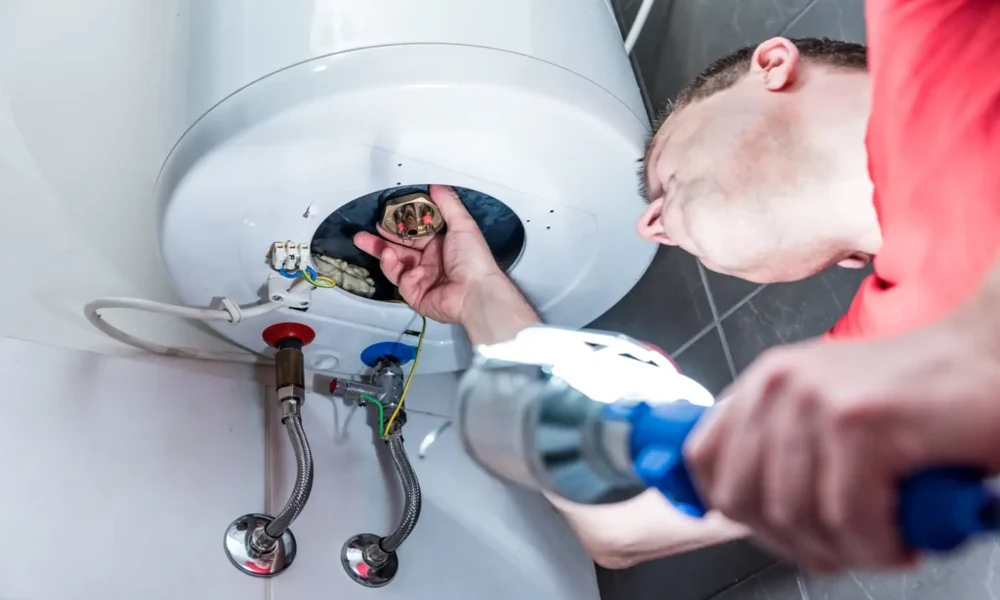
Choosing a water heater affects your household’s comfort, energy use, and long-term plumbing costs. A traditional tank model stores hot water for immediate use, while a tankless system heats water as it flows through the unit. Each option has advantages, and the right choice depends on your household size, hot water demand, available space, and budget.
When comparing systems, consider both the purchase price and the work needed to install the unit. Homeowners researching water heater installation in New Albany, OH, should also consider their existing plumbing, fuel supply, and electrical capacity before choosing a model. Understanding these factors helps you select a system that meets your needs without creating unnecessary installation challenges.
How Does a Tank Water Heater Work?
A traditional tank water heater heats and stores a set amount of water in an insulated tank. When someone turns on a hot water tap, heated water flows out while cold water enters the tank to be warmed. Once the stored hot water runs low, the unit needs time to heat another supply.
Tank models are available in different capacities and use electricity or gas, depending on the system. Their familiar design makes them a practical choice for many households, particularly those that want a straightforward replacement for an existing unit.
The main limitation is storage capacity. If several family members shower in succession or multiple appliances use hot water, the supply may run out temporarily. A larger tank can help, but choosing one that is unnecessarily large may increase energy use and take up valuable space.
How Does a Tankless Water Heater Work?
A tankless water heater heats water as it passes through the unit instead of keeping a large volume hot throughout the day. Opening a hot water tap activates the heating process, allowing water to warm as needed.
Because there is no storage tank, these systems generally require less installation space. They can also reduce standby heat loss, which occurs when stored water loses heat while waiting to be used. However, actual energy savings depend on household demand, the unit’s efficiency, and how the system is installed.
Tankless models have important limitations. Each unit has a maximum flow rate, meaning it can heat only a certain volume of water per minute under particular conditions. If showers, faucets, and appliances operate simultaneously, the system may struggle to supply enough hot water at the required temperature.
Proper sizing is therefore essential. A tankless unit should be selected according to peak demand, incoming water temperature, and the number of fixtures likely to run at once.
Which Water Heater Is More Cost-Effective?
The initial installation cost is an important consideration, but it should not be the only factor in your decision. Tank water heaters are often less expensive to purchase and install when existing connections can be reused. Tankless systems may cost more upfront because they can require changes to gas lines, electrical circuits, or venting.
Operating expenses also differ. A tankless model may use less energy by avoiding much of the standby heat loss associated with storage tanks. A tank model, however, may be the more economical overall choice for a household with modest hot water needs, especially when replacing an existing unit without major modifications.
Compare the estimated purchase price, installation work, expected energy consumption, maintenance requirements, and anticipated service life. A higher upfront cost does not automatically mean a better long-term investment.
What Factors Should Guide Your Decision?
Your household’s daily routine is one of the strongest indicators of which system will work best. A smaller household with predictable hot water use may be comfortable with a conventional tank. A larger family that regularly uses several bathrooms may benefit from a properly sized tankless system or a high-capacity storage model.
Available space matters as well. Tank heaters need sufficient room for the tank and appropriate service access. Tankless units are more compact, but they still require suitable mounting space, ventilation where applicable, and access for maintenance.
Consider your home’s existing fuel source and infrastructure. An electric tankless heater may require substantial electrical capacity, while a gas model may need an appropriately sized gas supply and compatible venting. A professional assessment can identify whether your current setup supports the proposed equipment.
When Should You Replace Your Existing Water Heater?
An aging water heater does not always need immediate replacement, but certain symptoms deserve attention. Water that frequently turns cold, inconsistent temperatures, unusual popping or rumbling noises, visible corrosion, and recurring leaks can indicate developing problems.
Water around the base of a tank requires particular attention because it may indicate a leaking tank or a connection problem. If the tank itself is leaking, replacement is generally necessary. If a gas unit produces a gas odor, leave the area and contact the gas utility or emergency services from a safe location.
Before choosing a replacement, have the existing system assessed. A plumber can determine whether repair remains practical, identify installation constraints, and help compare suitable tank and tankless options. Homeowners considering water heater installation in New Albany, OH, should discuss household demand, fuel availability, and any required code-related updates before approving the work.
Final Thoughts
The best water heater depends on your household’s hot water requirements, available installation space, energy costs, and upfront budget. Tank systems offer familiar operation and often lower initial costs, while tankless models provide on-demand heating and can reduce standby energy losses. Neither option is automatically the right choice for every home.
Before making a decision, compare the full installation and operating costs rather than focusing on the equipment price alone. If you are considering water heater installation in New Albany, OH, arrange a professional assessment to evaluate your home’s infrastructure and hot water demand, then choose a system that balances comfort, efficiency, and long-term value.