
Summer in this country can be brutal, and while we humans can retreat indoors to air conditioning, our sheds often bear the brunt of the heat. A sweltering shed isn’t just uncomfortable; it can damage stored items, from tools to paints. So, how do you keep your shed cool when the mercury soars? Let’s dive into some practical tips to ensure your storage sheds remain a haven, not a hazard, during those scorching summer months.
Think of your shed like a little oven; it traps heat. Without proper ventilation and insulation, temperatures inside can climb rapidly, causing everything from paint to melt to tools to rust. That’s why taking proactive steps to mitigate the heat is crucial. Let’s explore some effective strategies to keep your shed cool, protecting your belongings and ensuring a more pleasant environment when you need to grab something from it.
Understanding the problem: why sheds overheat
Before we jump into solutions, it’s essential to understand why sheds tend to overheat. Several factors contribute to this issue, including the shed’s construction materials, its orientation to the sun, and the lack of adequate ventilation. By identifying the root causes, you can tailor your cooling strategies for maximum effectiveness.
Material matters: how shed materials affect temperature
The materials used to construct your shed play a significant role in how well it retains heat. Metal sheds, while durable, are notorious for absorbing and radiating heat, turning them into veritable ovens during summer. Timber sheds offer slightly better insulation, but they can still become uncomfortably hot without proper ventilation and shading.
Consider the colour of your shed as well. Darker colours absorb more heat than lighter ones. A dark-coloured metal shed is practically a heat magnet, while a light-coloured timber shed will reflect more sunlight and stay relatively cooler. This is why a light-coloured shed might be a better option than a dark one.
Sun’s orientation: minimising direct sunlight exposure
The direction your shed faces can significantly impact its temperature. Sheds that face east or west will receive direct sunlight during the hottest parts of the day, leading to increased heat buildup. Ideally, your shed should be positioned to minimise direct sunlight exposure, particularly during the afternoon when the sun is at its strongest.
If you can’t change the orientation of your shed, consider planting trees or installing shade cloths to block direct sunlight. Creating a shaded area around your shed can significantly reduce the amount of heat it absorbs, helping to keep the interior cooler. Strategic landscaping can make a real difference.
Ventilation solutions: letting the hot air out
Ventilation is key to keeping your shed cool. Without proper airflow, hot air becomes trapped inside, causing temperatures to soar. Effective ventilation allows hot air to escape while drawing in cooler air, creating a more comfortable environment. There are several ways to improve ventilation in your shed, from simple DIY solutions to more elaborate installations.
Natural ventilation: windows and vents
The simplest way to improve ventilation is by installing windows and vents. Windows allow for cross-ventilation, enabling air to flow freely through the shed. Position windows on opposite sides of the shed to maximise airflow. Vents, placed near the roofline, allow hot air to escape as it rises.
Consider installing adjustable vents that you can open and close as needed. This allows you to control the amount of ventilation based on the weather conditions. During cooler evenings, open the vents to draw in fresh air. On extremely hot days, close them to prevent hot air from entering. This can be helpful if you are after some custom sheds.
Powered ventilation: fans and whirlybirds
For more effective ventilation, consider using powered solutions such as fans and whirlybirds. Fans circulate air within the shed, helping to dissipate heat. Whirlybirds, installed on the roof, use wind power to draw hot air out of the shed. These are particularly effective in areas with consistent breezes.
Solar-powered fans are an excellent option for sheds located away from power sources. These fans operate automatically, using sunlight to power their motors. They are an energy-efficient and environmentally friendly way to keep your shed cool. Plus, they require minimal maintenance.
Insulation options: keeping the heat out
Insulation is another crucial factor in keeping your shed cool. Insulation acts as a barrier, preventing heat from entering the shed during summer and keeping it warmer during winter. There are several types of insulation you can use, each with its own advantages and disadvantages.
Types of insulation: from fibreglass to reflective foil
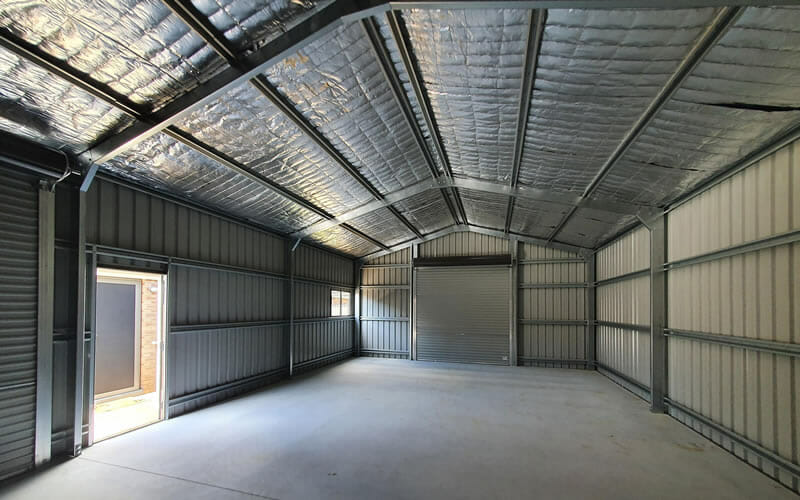
Fibreglass insulation is a common and affordable option. It’s effective at reducing heat transfer, but it can be difficult to install and may require protective gear. Reflective foil insulation is another popular choice. It reflects radiant heat, preventing it from entering the shed. It’s easy to install and relatively inexpensive.
Consider using natural insulation materials such as sheep’s wool or recycled denim. These materials are environmentally friendly and offer excellent insulation properties. They are also non-toxic and safe to handle. Plus, they can help to reduce noise levels inside the shed.
Installation tips: ensuring proper insulation
Proper installation is key to maximising the effectiveness of your insulation. Ensure that the insulation is installed snugly, without any gaps or air pockets. Pay particular attention to sealing around windows, doors, and vents. Use weather stripping to prevent air leaks.
When installing reflective foil insulation, make sure to leave an air gap between the foil and the shed’s walls or roof. This air gap allows the foil to reflect heat more effectively. Follow the manufacturer’s instructions carefully to ensure proper installation. This can be especially important with shed builders.
Shading strategies: blocking the sun’s rays
Shading is a simple and effective way to reduce the amount of heat your shed absorbs. By blocking direct sunlight, you can significantly lower the temperature inside the shed. There are several shading options to choose from, ranging from natural solutions like trees to artificial solutions like shade cloths and awnings.
Natural shading: trees and vines
Planting trees or vines around your shed provides natural shading. Deciduous trees are particularly effective, as they provide shade during summer and allow sunlight to reach the shed during winter. Vines can be trained to grow over the shed, creating a natural green roof that provides excellent insulation and shading.
Choose trees and vines that are well-suited to your local climate and soil conditions. Consider the mature size of the plants to ensure they don’t become overgrown and damage the shed. Regular pruning may be necessary to maintain the desired level of shading.
Artificial shading: shade cloths and awnings
Shade cloths and awnings are artificial shading options that can be easily installed and adjusted as needed. Shade cloths are made from woven fabric that blocks a percentage of sunlight. They are available in various colours and densities, allowing you to choose the level of shading that best suits your needs.
Awnings provide more permanent shading and can be retracted or extended as desired. They are available in various styles and materials, allowing you to choose an option that complements your shed’s design. Consider installing retractable awnings to provide flexible shading options.
Additional tips: small changes, big impact
In addition to the strategies mentioned above, there are several other small changes you can make to help keep your shed cool. These include using light-coloured paint, storing heat-sensitive items properly, and taking advantage of evaporative cooling.
Light-coloured paint: reflecting sunlight
As mentioned earlier, dark colours absorb more heat than lighter ones. Painting your shed with light-coloured paint can significantly reduce the amount of heat it absorbs. Choose a light colour that reflects sunlight, such as white, cream, or light grey. This can make a noticeable difference in the shed’s interior temperature.
Consider using a paint specifically designed for outdoor use. These paints are formulated to withstand the harsh effects of sunlight and weather. They also provide better protection against moisture and mildew. Proper preparation, such as cleaning and priming the surface, is essential for achieving a durable and long-lasting finish.
Proper storage: protecting heat-sensitive items
Store heat-sensitive items in airtight containers to protect them from damage. Avoid storing these items in direct sunlight or near sources of heat. Consider using a small refrigerator or cooler to store particularly sensitive items, such as paints or medications. This can be even more important when dealing with steel sheds.
Regularly check the temperature inside your shed to ensure it’s within a safe range for your stored items. Use a thermometer to monitor the temperature and adjust your cooling strategies as needed. Proper storage practices can help to extend the lifespan of your belongings and prevent costly damage.
Keeping your shed cool during summer heatwaves is essential for protecting your stored items and ensuring a more comfortable environment. By implementing the strategies outlined above, you can transform your shed from a sweltering oven into a cool and functional space. From ventilation and insulation to shading and proper storage, these tips will help you beat the heat and enjoy your shed year-round. And remember, if you’re looking for a new shed, consider those designed to keep the heat out from the start. There are many options for storage sheds Perth has to offer.