
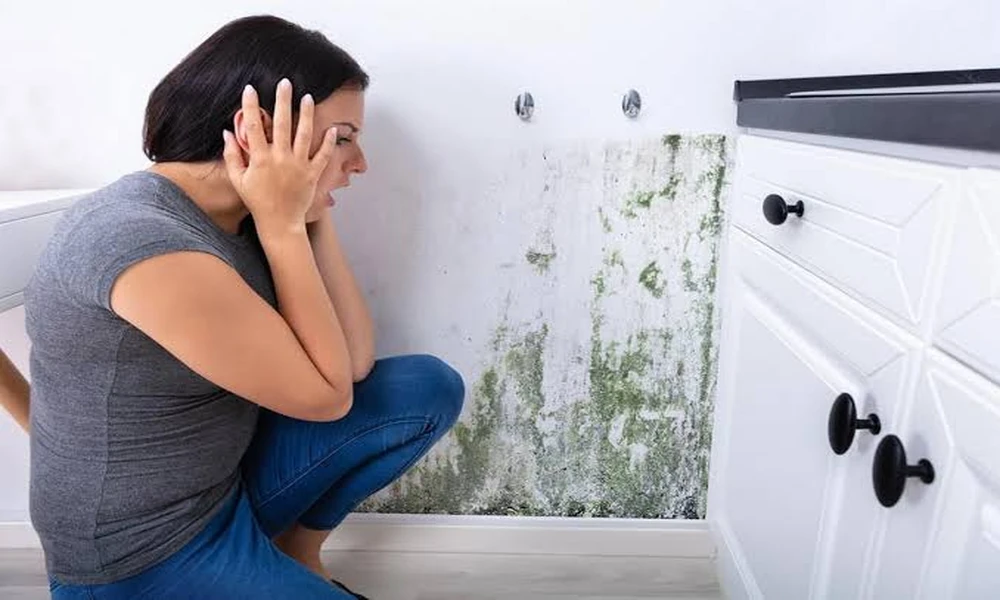
Mold is surrounded by confusion. Online advice, old wives’ tales and sales pitches have created a long list of beliefs that sound sensible but can lead people to waste money, miss real problems or cleanup methods that make things worse. The team at Mold Detective sees these misunderstandings regularly, so this article takes the most common myths one at a time and explains what is actually true.
Myth 1: Black Mold Is Always Toxic and Deadly
The reality: Color does not tell you how dangerous a mold is. Molds come in many colors, and the same species can look different depending on the surface and conditions. The term “black mold” is often used for a specific species, Stachybotrys chartarum, but plenty of other black molds exist, and you cannot identify a species by sight. Health effects depend on the amount of dampness and mold, the length of exposure and the sensitivity of the person.
The Centers for Disease Control and Prevention notes that mold can cause or worsen certain health problems, such as allergic reactions, and that people with asthma, allergies or weakened immune systems are more sensitive. The practical response to any visible mold, whatever its color, is to find and fix the moisture and clean or remove the affected material.
Myth 2: Bleach Kills Mold for Good
The reality: Bleach can lighten stains on hard, non-porous surfaces, which makes mold look gone, but it does not solve the underlying problem. On porous materials such as drywall, wood and ceiling tiles, the liquid can soak in and leave the roots of the mold behind while adding moisture. The U.S. Environmental Protection Agency’s guide to mold, moisture and your home stresses that controlling moisture is the key to controlling mold, and EPA guidance does not recommend routine use of biocides such as bleach during cleanup. Mixing bleach with other cleaners, especially ammonia, can also create dangerous fumes.
For small areas of mold on hard surfaces, detergent and water, followed by thorough drying, is the usual advice. Porous materials that have been moldy are generally removed and replaced.
Myth 3: Mold Only Grows in Dirty or Old Houses
The reality: Mold does not care how clean or new a home is. It needs moisture and something organic to feed on, and almost every building has both. New construction can develop mold if materials got wet before the building was closed in, if ventilation is inadequate or if plumbing leaks go unnoticed. Spotless homes can have hidden growth behind a shower wall or under a sink. Cleanliness helps with surface dust and spores but does not remove the moisture that supports growth.
Myth 4: If You Cannot See or Smell It, You Do Not Have a Problem
The reality: Mold often grows in places that no one sees: inside wall cavities, above ceilings, beneath flooring, behind cabinets and within HVAC systems. A musty smell is a common clue, but not everyone notices it, and some growth has little odor. Other indicators are water stains, peeling paint, warped materials, persistent humidity and unexplained allergy symptoms. If a home has had a leak or flood that was not dried promptly, assume hidden moisture is possible and have it checked with moisture meters or thermal imaging instead of relying on appearance alone.
Myth 5: A Mold Test Tells You How Dangerous Your Home Is
The reality: Spores are in every home’s air, indoors and out, so finding spores is normal. Lab results need context: comparison with outdoor samples, the type of sampling and where it was taken. The numbers do not translate directly into a health risk, because people respond differently and exposure depends on many factors. The California Department of Public Health, for example, states that the presence of dampness or visible mold is what signals a risk, and that measuring the amount or type of mold is not a useful way to judge health impact.
That does not mean testing is worthless. It can help locate hidden contamination in some situations and verify that cleanup worked. But a thorough inspection that finds the moisture source matters more than a lab number, and results should be interpreted by a qualified professional.
Myth 6: Painting Over Mold or Using a Sealant Solves It
The reality: Covering mold hides it without stopping it. If moisture continues, the growth can come through the paint, blister the surface or spread underneath. Special mold-resistant paints and primers can help prevent recurrence after the moisture problem has been fixed and the area cleaned, but they are not a substitute for removal. Sealing in active growth is a common mistake that makes later cleanup harder and more expensive.
Myth 7: A Dehumidifier Alone Will Fix a Mold Problem
The reality: Dehumidifiers are valuable tools for controlling humidity, and keeping indoor relative humidity below roughly 50 percent discourages growth. But they do not fix leaks, remove existing mold or dry the inside of saturated building materials. If water is entering the structure through a plumbing leak, roof defect, drainage problem or crawl space moisture, the source must be repaired. Think of the dehumidifier as prevention and support, not a cure.
A Few More Points Worth Knowing
- You cannot eliminate all mold. The goal is to keep indoor growth from occurring by controlling moisture, not to achieve a spore-free home.
- Timing matters. Wet materials should generally be dried within 24 to 48 hours of a water event, according to EPA guidance, to reduce the chance of mold growth.
- Not every musty smell is mold. Pet odors, stored items and stale air can smell similar, but a persistent mildew smell is a reason to investigate.
- Insurance varies. Policies differ on whether they cover mold, usually distinguishing between sudden covered water damage and long-term leaks or neglect, so check yours.
- Some people are at higher risk. Infants, older adults and people with asthma, allergies or weakened immune systems may need to be more cautious around mold exposure.
What Actually Works
Reliable mold control follows a few consistent steps:
- Find and fix the water source. Repair leaks and address drainage, condensation and ventilation problems.
- Dry everything quickly. Use fans, dehumidifiers and professional drying equipment where needed.
- Remove what cannot be cleaned. Porous materials with established growth are usually discarded.
- Clean hard surfaces properly. Use detergent and water, then dry them thoroughly, and wear protective gear, including a well-fitted respirator, gloves and eye protection.
- Contain larger jobs. Large or hidden areas call for professionals who can seal off the work zone and filter the air.
- Prevent recurrence. Keep humidity in check, use exhaust fans, maintain gutters and drainage and inspect plumbing and appliances regularly.
When to Call a Professional
An inspection or remediation specialist is worth contacting when mold covers a large area, when it follows flooding or sewage contamination, when the source is unknown, when it is inside walls or HVAC systems, when someone in the household has health concerns or when mold keeps returning after cleaning. Ask for a written scope of work, an explanation of how the moisture source will be addressed and how completion will be verified.
The Bottom Line
Most mold myths share a common flaw: they focus on the mold instead of the moisture. Color, bleach, test results and cosmetic fixes all distract from the real task, which is controlling water in the building. Keep that principle in mind, and many of the confusing claims you hear will sort themselves out.