
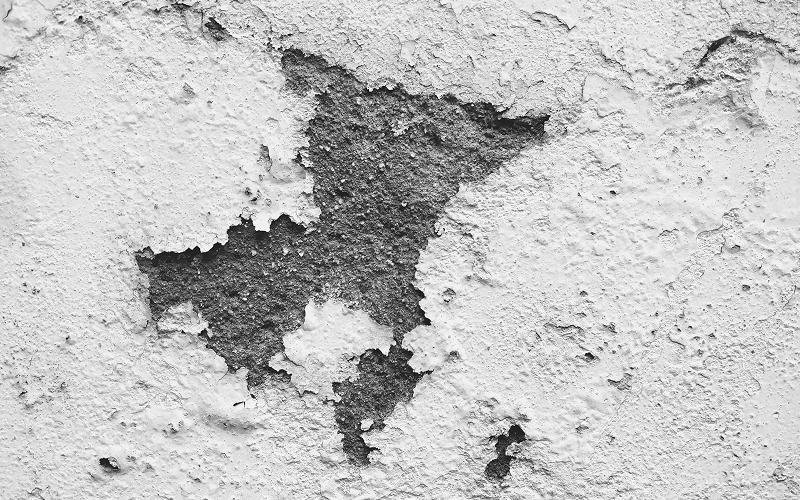
Mould growth on walls is a common issue in many homes due to Singapore’s humid climate and high rainfall. These conditions create the ideal environment for mould spores to thrive, particularly in poorly ventilated or damp areas. While it might start as a small discoloured patch, mouldy walls can quickly spread and compromise indoor air quality, cause property damage, and affect occupants’ health. Understanding the causes and learning how to get rid of mould on walls, and more importantly, how to prevent it, is essential for maintaining a safe living environment.
Common Causes of Mouldy Walls in Singapore Homes
One of the most common causes of mouldy walls is excess moisture, resulting from water leaks, condensation, or poor ventilation, especially in high-humidity areas. In many HDB flats and condominiums, exterior wall leakage, ceiling seepage, or air-conditioning condensation can also contribute to moisture build-up behind paint or wallpaper. Once surfaces become damp and remain unventilated, mould spores quickly take hold and multiply.
Another cause is inadequate building maintenance. Cracks in walls, poorly sealed windows, or roof issues can introduce water into the structure over time. Even new buildings may suffer from mould if construction materials were installed while damp or if interior finishes prevent natural drying. Without early intervention, these conditions make wall surfaces highly susceptible to fungal growth. If the problem persists, engaging a mould specialist in Singapore may be the most practical long-term solution.
How to Get Rid of Mould on Walls Effectively
To tackle mould growth, you must remove both the visible surface mould and the conditions that allow it to grow. Begin by scrubbing affected areas with a mould-killing solution such as diluted bleach, white vinegar, or specialised anti-fungal products. Always wear protective gloves and a mask, as disturbing mould can release airborne spores that may irritate your skin and lungs. For porous materials like plaster or wood, surface cleaning might not be enough, as the mould can penetrate deeper.
However, DIY methods are only effective for small patches and when the underlying moisture issue has been addressed. If mould continues to return despite repeated cleaning, it’s a sign of a deeper problem. In such cases, it’s best to contact a mould specialist in Singapore. These professionals conduct inspections to trace hidden sources of moisture and assess how far the infestation has spread. They also use commercial-grade equipment and safe remediation methods to eliminate mould thoroughly and prevent recurrence.
Prevention Tips to Keep Mould at Bay
Preventing mouldy walls starts with controlling indoor humidity. Use exhaust fans in bathrooms and kitchens to remove moisture-laden air, and keep windows open when possible to improve cross-ventilation. Installing a dehumidifier is also effective in maintaining humidity levels below 60%, especially in rooms that don’t receive much natural airflow. Regularly inspecting and maintaining your home’s plumbing and roofing can help identify leaks early before mould has a chance to develop.
Also, consider using mould-resistant paint in areas prone to dampness, such as bathrooms and utility spaces. This type of coating contains anti-fungal agents that slow down mould growth. Avoid placing large furniture directly against walls, especially exterior-facing ones, as this restricts airflow and can trap moisture. Finally, ensure air-conditioners are serviced regularly to prevent moisture condensation on internal walls.
When to Call a Mould Specialist in Singapore
Not all mould problems can be fixed with home remedies. Consulting a mould specialist in Singapore should be your first priority if it covers a large area, keeps returning after cleaning, or has strong odours or health symptoms. Professionals can conduct moisture mapping, use infrared scanning to locate hidden dampness, and provide targeted treatments. They also offer recommendations for long-term prevention, such as waterproofing, ventilation upgrades, or anti-mould coatings.
This is especially important in rental properties, offices, or shared housing situations where occupants may have health concerns. In such environments, mould could be a legal and safety issue. Engaging a qualified expert ensures the problem is handled at the root, not just on the surface, saving time, money, and risk in the long run.
Conclusion
Dealing with mouldy walls in Singapore requires more than a temporary fix. While simple cleaning can manage small outbreaks, long-term control involves identifying the source, adjusting environmental conditions, and taking preventative action. Knowing how to get rid of mould on walls and when to seek professional help ensures your living space remains safe and healthy. When in doubt, trust a mould specialist in Singapore to assess and resolve the issue thoroughly.
Struggling with recurring mould at home? Contact Mouldgone today for expert mould inspection and safe removal solutions tailored to Singapore homes.