
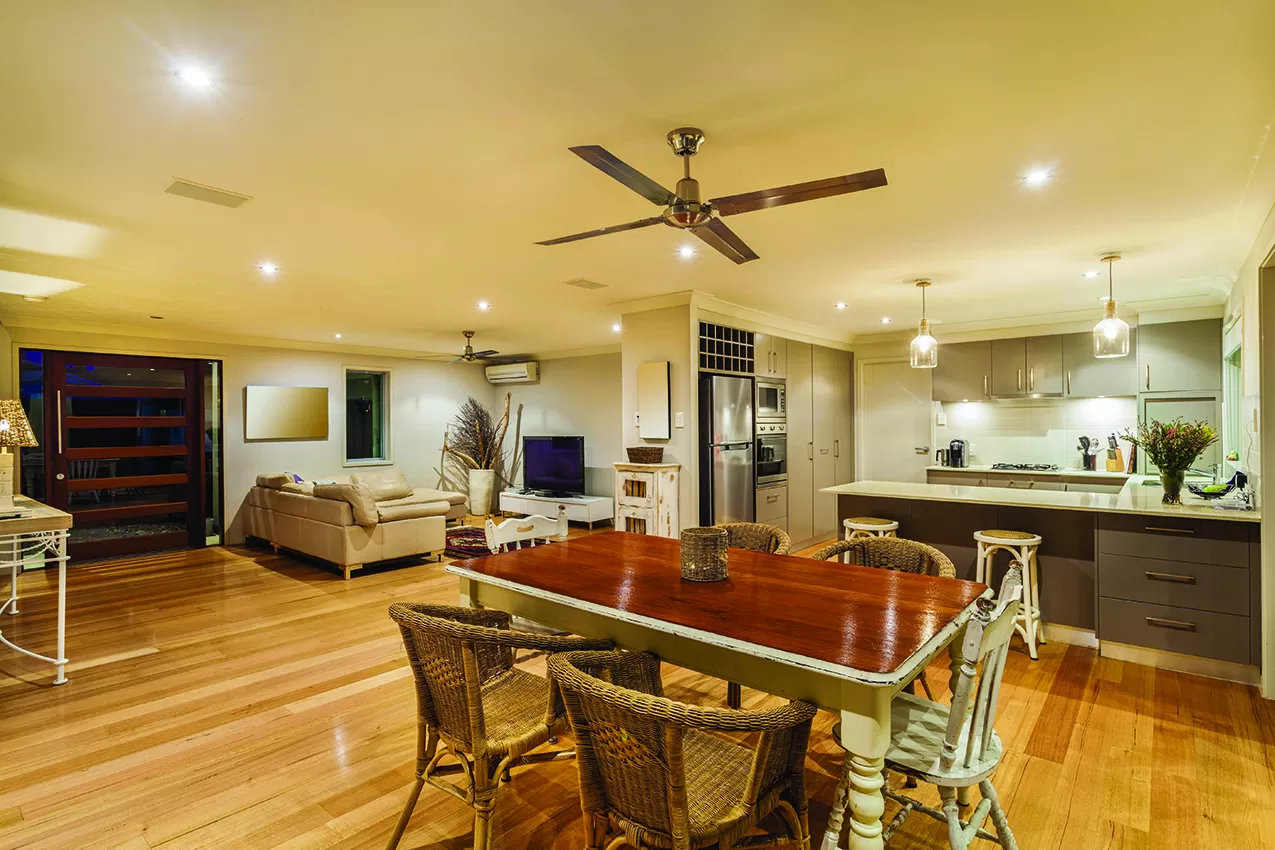
Libertyville’s housing mix, pre-war charm near downtown, mid-century ranches, and newer infill, makes remodeling both exciting and nuanced. In 2025, homeowners are prioritizing smarter layouts, efficient systems, and finishes that stand up to Midwest seasons. This guide breaks down how Home Remodeling Libertyville projects are evolving this year, from layout redesigns and smart tech to zoning realities, budgets, and sustainability, so residents can plan with confidence and avoid costly surprises.
Layout redesigns that reflect Libertyville homeowner needs
In Libertyville, layout changes are driven by how families actually live: busy school schedules, hybrid work, multi-generational arrangements, and weekends that revolve around kitchens and backyards. That reality is reshaping floor plans beyond the decade-old “tear down all the walls” trend.
- Smarter open-concept: Residents still want sightlines between kitchen, dining, and living spaces, but with strategic separation, think glass pocket doors, larger cased openings, and sound-managed zones, so assignments, Zoom calls, and late-night cooking can peacefully coexist.
- Purpose-built mudrooms: Snow, slush, and sports gear call for durable, enclosed entries with floor drains, slatted drying areas, heated tile, and built-in cubbies. Dog-wash stations are no longer a novelty.
- Kitchen workflows that host: Expect larger islands for casual meals, scullery pantries to hide prep and small appliances, and induction ranges that cook fast and keep indoor air cleaner.
- Primary-suite upgrades: Older Colonials and Cape Cods are being reworked to add a true primary suite, walk-in closets, double vanities, curbless showers, often by borrowing space from an adjacent bedroom or adding a modest dormer.
- Basements that earn their keep: Finished lower levels with daylight wells, resilient flooring, and dedicated HVAC supplies are becoming flexible hubs for playrooms, guest suites, and media rooms. Battery-backed sump systems remain a must.
Because many Libertyville lots are established and setbacks are firm, designers are mastering micro-additions: bump-outs of 3–6 feet to widen kitchens, create a breakfast nook, or add mudroom capacity without triggering major structural work. The most successful Home Remodeling Libertyville projects start with a space plan that balances flow, storage, acoustic control, and future aging-in-place needs (wider doorways, first-floor flex room, blocking for grab bars).
Smart home technologies shaping renovation choices in 2025
Tech is moving from gadgets to infrastructure. In 2025, homeowners are planning wiring and devices early so smart features feel invisible, and reliable.
- Whole-home connectivity: Hardwired Ethernet runs to home offices, TVs, and access points reduce buffering and keep smart systems stable. Designers are allocating closet space for structured media panels.
- Interoperability first: Platforms supporting Matter and Thread help devices talk to each other across brands, easier for households that don’t want to be locked into one ecosystem.
- Energy-aware systems: Smart breakers and panels, EV-ready wiring, and 240V circuits for induction or heat pumps provide monitoring and future-proofing. Leak sensors under sinks and near mechanicals send alerts before a ceiling stain appears.
- Lighting control and shades: Pre-wiring for keypads and low-voltage shades cleans up wall clutter and enables scenes (wake, entertain, away). Tunable lighting is gaining traction for comfort and productivity.
- Security without the eyesore: Recessed doorbell cams, discreet wired cameras, and smart locks offer peace of mind while respecting classic facades.
For older homes with plaster walls, retrofit-friendly solutions, wireless keypads, battery-powered shades, and hub-based sensors, deliver capability without heavy demolition.
Zoning rules and local housing influences on remodels
Zoning shapes what’s possible before style ever enters the chat. In Libertyville, additions and major exterior changes must respect setbacks, lot coverage, and height limits defined by the property’s zoning district. Corner lots often have two “front” yards with deeper setback requirements, while detached garages typically need defined distances from property lines and other structures.
Key realities for 2025 planning:
- Permits and inspections: Structural, electrical, plumbing, and mechanical work require permits: expect rough and final inspections. Timelines vary with workload, but 2–8 weeks from complete submission to approval is common for residential work.
- Site constraints: Mature trees, utility easements, and drainage patterns matter. Homes near flood-prone zones or wetlands may face stricter stormwater rules and the need for engineered grading plans under county watershed standards.
- Historic context: While many single-family streets aren’t under formal historic designation, projects that impact street-facing facades often face more scrutiny to fit neighborhood character, materials, window proportions, rooflines.
- Variances: If a design can’t meet a dimensional standard, a variance process may be possible but adds time and requires justification. Early zoning checks keep redesign cycles, and costs, down.
For the latest submittal checklists and fee schedules, residents typically start at the Village’s permitting page. Click here to review the village’s current fees and submittal checklists before locking in a timeline or budget, then align drawings with survey data to avoid rework.
Cost expectations and budgeting tips for Libertyville projects
Costs in the Chicago suburbs remain elevated versus pre-2020 levels, but pricing has stabilized compared to the volatility of the last few years. In 2025, typical investment ranges for quality work in Libertyville look like this:
- Kitchens: $65,000–$150,000+ depending on footprint changes, cabinet grade, and appliance choices (induction, panel-ready, built-in refrigeration push to the top end).
- Bathrooms: $25,000–$60,000+: curbless showers, stone slabs, and radiant floors increase costs.
- Finished basements: $60,000–$120,000+ driven by egress, bath additions, and media systems.
- Additions: $300–$500 per square foot for well-insulated, well-finished space: small bump-outs can be more per foot due to fixed costs.
- Whole-home updates: $200–$350 per square foot depending on structural changes, mechanical upgrades, and finish level.
Budgeting strategies that work locally:
- Prioritize systems: Upgrading electrical capacity, insulation, and HVAC right-sized for the home improves comfort and lowers operating costs, value that lasts longer than a trendy finish.
- Carry a real contingency: 10–15% for known-unknowns (concealed conditions, modest design shifts). For older homes with past DIY repairs, 15–20% is prudent.
- Lock selections early: Cabinets, windows, and tile still have lead times. Finalizing specs before demo stabilizes pricing and schedule.
- Understand allowances: If a proposal lists allowances for lighting or fixtures, confirm realistic numbers to avoid surprise overages.
- Phase if needed: Tackle structural and mechanicals in Phase 1, then cosmetic spaces later to manage cash flow without re-opening walls.
Also factor in soft costs: design fees (often 8–12% for architecture/interiors on larger scopes), engineering as needed, survey updates, and permit fees. Align scope with an appraisal-informed ceiling for the neighborhood to protect resale.
Sustainability features becoming standard in home renovations
Sustainability has moved from “nice-to-have” to default in Libertyville projects, largely because the features save money and feel better day-to-day.
- Electrification-ready homes: Induction cooktops, heat-pump water heaters, and high-efficiency heat pumps paired with tight envelopes reduce gas dependence and improve indoor air quality.
- Envelope first: Air sealing, attic insulation upgrades, insulated rim joists, and high-performance windows cut drafts, vital in lake-effect winters.
- Ventilation that thinks: ERVs or HRVs balance fresh air with energy savings, a noticeable upgrade in renovated homes with tighter shells.
- Water-wise choices: WaterSense fixtures, smart irrigation, rain gardens, and permeable pavers handle storms while lowering utility bills.
- Healthier materials: Low- or zero-VOC paints and adhesives, solid-surface counters with verified emissions, and formaldehyde-free cabinetry.
- Solar and incentives: South- or west-facing roofs are candidates for PV. Federal credits under current law offset portions of solar, heat pumps, and envelope improvements: local utilities frequently offer rebates for efficiency upgrades.
Material reuse and deconstruction (salvaging doors, trim, even brick) are gaining traction, especially when matching details in older homes while reducing landfill.
Contractor selection and project planning essentials
The right team is the difference between “on time and on budget” and a long winter with a temporary kitchen. Savvy Libertyville homeowners are approaching 2025 projects like this:
- Shortlist specialists: Choose contractors with documented experience in Home Remodeling Libertyville, familiar with local inspectors, winterization needs, and clay-soil drainage quirks.
- Verify credentials: Active license where applicable, liability and workers’ comp insurance, and recent, local references. Request lien waivers with each progress payment.
- Demand a detailed scope: A clear spec book with model numbers, drawings, and a selections schedule reduces change orders. Clarify who handles permits and HOA/architectural approvals if relevant.
- Align on communication: Weekly site meetings, a single point of contact, and project management software for selections and RFIs keep everyone aligned.
- Plan the calendar: Window and cabinet lead times can run 8–14 weeks. Start design early so materials arrive before demo. Winter remodels can work well indoors: exterior work benefits from spring–fall weather.
- Protect the home: Dust control, temporary walls, negative air machines, and floor protection should be standard in the proposal.
Payment schedules tied to milestones, not time, create accountability, and a defined warranty with a 30-day and 11-month walkthrough helps catch punch-list items.