
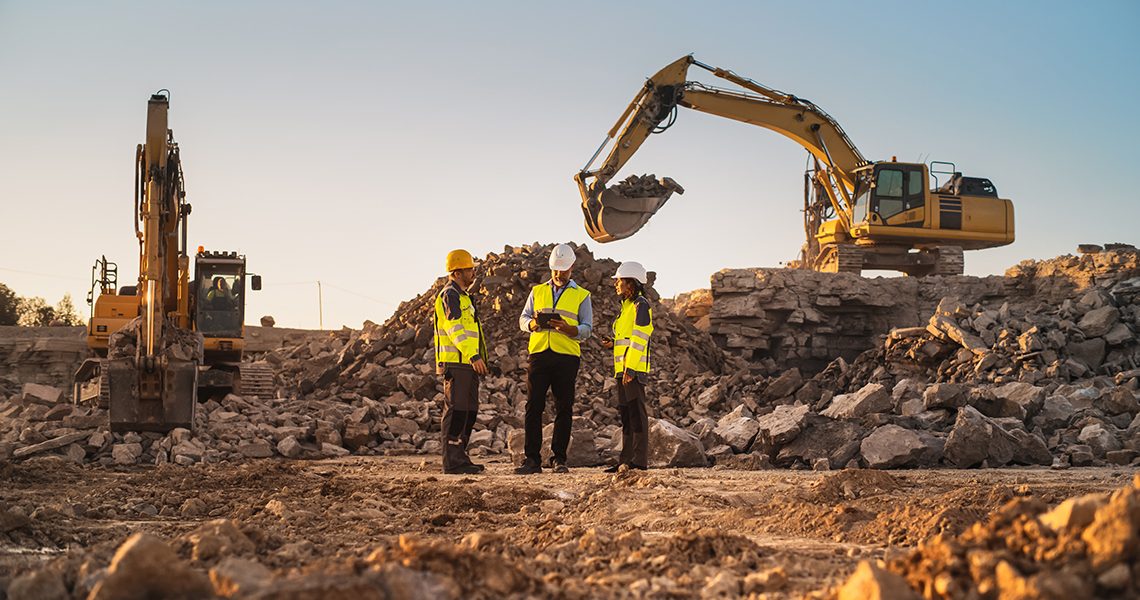
Efficiency in construction isn’t just a trendy term-it directly impacts project costs, timelines, and overall profitability. The equipment you choose, whether it’s a backhoe, concrete mixer, or crane, can make or break your project. Properly functioning machinery acts as the silent engine behind smooth operations, helping teams stay on schedule and under budget. When efficient construction equipment is used, construction isn’t just faster-it’s smarter, allowing businesses to gain a competitive edge and improve profitability. Understanding the role of equipment efficiency is crucial for maximizing productivity on any construction site.
Equipment Efficiency Drives Production
Efficient machinery forms the backbone of a productive construction operation. Each piece of equipment, from excavators to concrete mixers, plays a vital role in maintaining workflow, reducing costs, and enhancing project timelines. Optimizing equipment efficiency directly impacts both profitability and operational performance.
Minimized Downtime: Idle machinery can significantly disrupt schedules and inflate costs. By implementing proactive maintenance and management practices, downtime can be reduced by up to 35%, ensuring projects continue smoothly without costly interruptions.
Lower Fuel Consumption: Well-maintained, efficient engines consume less fuel per task, contributing to substantial cost savings. Studies indicate that optimized equipment can reduce fuel expenses by approximately 21%, providing long-term financial benefits while supporting sustainable construction practices.
Enhanced Productivity: High-performing machinery enables crews to complete tasks more quickly and accurately. Efficient equipment increases overall project throughput, allowing teams to meet deadlines and improve profitability simultaneously.
Energy and Labor Savings: Efficient equipment reduces power consumption and decreases the number of labor hours required to complete the same work. This dual advantage lowers both utility and labor costs while maintaining operational efficiency.
Improved Safety: Reliable machinery reduces the risk of malfunctions and workplace accidents. According to OSHA, implementing efficient equipment can decrease injury rates by over 10%, protecting workers and minimizing downtime due to incidents.
By focusing on these areas, construction companies can ensure that their equipment drives productivity, cost savings, and safer work environments.
Factors Influencing Equipment Efficiency
Maximizing equipment efficiency requires deliberate planning and strategic oversight. Key considerations include:
Logistical Management:
- Transporting heavy machinery requires precise coordination.
- Container transport services ensure timely, intact delivery, minimizing delays.
Regular Maintenance:
- Routine checkups prevent unscheduled repairs and downtime.
- Maintains compliance with emission regulations and safety standards.
Risk Management:
- Reliable equipment mitigates delays caused by unforeseen events.
- Proper planning ensures consistent operations under pressure.
Skilled Staff:
- Automation requires trained operators for optimal performance.
- Continuous training ensures staff can handle the latest operational techniques.
Efficient construction isn’t accidental-it’s engineered. By combining cutting-edge machinery, consistent maintenance, effective risk management, and skilled operators, construction companies can optimize productivity, reduce costs, and maintain a competitive advantage. The right equipment doesn’t just move materials; it drives the success and efficiency of the entire project.