
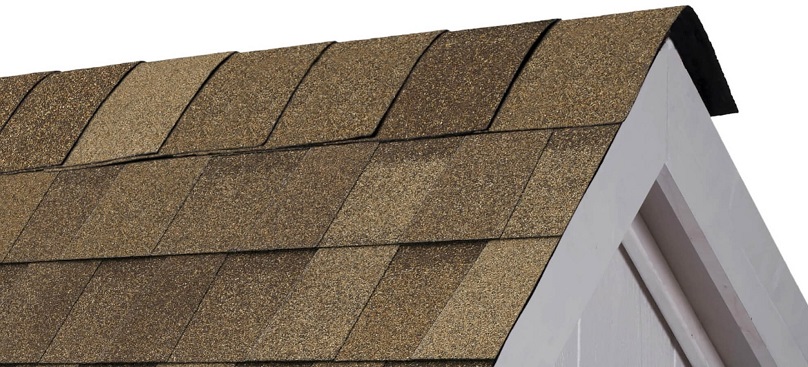
Homeowners looking for a mix of durability, cost, and aesthetic appeal have turned to fiberglass shingles as a preferred roofing material. Fiberglass shingles, unlike their natural counterparts, have a fiberglass mat core which increases their fire and moisture resistance. But what can you do to maximize their lifetime, and how long can you fairly expect them to last? This book offers a complete picture.
Expected Lifespan and Contributing Factors
Depending on numerous criteria, fiberglass in shingles usually lasts 15 to 30 years. Climate is important; homes in places experiencing extreme weather, such as strong sun, plenty of rain, or frequent freeze-thaw cycles may suffer reduced lifespan. Furthermore important is shingle quality: stronger granule adherence and thicker layer quality will naturally extend the lifetime of shingles. Arguably the most crucial consideration is proper installation as, independent of their inherent quality, improperly put shingles are prone to early failure. Ultimately, your roof’s lifetime can be much increased by routine maintenance and quick resolution of little problems.
Identifying Signs of Aging and Damage
Early identification of early indicators of degradation enables quick repairs, therefore saving more major and expensive damage. Look for scorching, curling, or cracking of shingles. Another indication is granule loss; these granules shield the shingle from UV light and water. Look for missing shingles, especially following big storms. Stains or discoloration may point to the emergence of algae or mold, which over time can also destroy the shingle. Examining your attic for leaks or water damage is also essential since it can indicate roof failure even in cases with outward appearance intact.
Routine Maintenance Requirements
Proactive maintenance extends fiberglass shingle roof life. Clean your roof regularly to remove leaves, branches, and moss. Light brushing or low-pressure washing could work. To prevent trash from dragging and roof damage, cut overhanging tree limbs. Check and clean your gutters twice a year to ensure water flow. Blocked gutters can cause roof damage. To fix minor damage fast, replace shingles or fill gaps.
Maximizing Lifespan through Best Practices
Several tips might extend the life of your fiberglass shingle roof. Check your attic vents. Enough ventilation prevents moisture build-up, which accelerates shingle disintegration. Hire a licensed roofer for installation and upkeep. Professionals avoid early failure by ensuring job performance. Consider buying higher-quality, longer-warranty shingles. Even if they cost more initially, their longer lifespan can make them cheaper over time.
Conclusion
Although fiberglass shingles are quite durable, they ultimately need replacement. If your roof is nearing the end of its estimated lifetime between 20 and 30 years or if it shows widespread damage like major granule loss, severe cracking, or ongoing leaks, think about replacing it. Ignoring these indicators can undermine your house’s structural integrity and result in more costly repairs down-stream.