
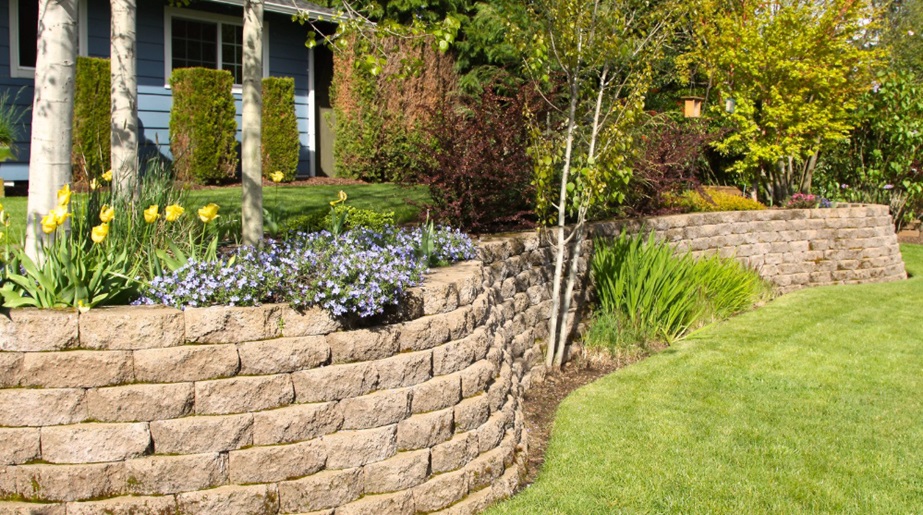
Retaining walls serve both functional and aesthetic purposes, helping to stabilize soil and define landscaping. Whether you’re preparing for erosion control or looking to level a sloped yard, a well-planned retaining wall can transform your outdoor space. For property owners considering retaining wall installation in Johns Creek, getting the plan right from the start is critical. The early steps include selecting the appropriate materials, understanding drainage requirements, and obtaining the necessary permits. To help you move forward confidently, here’s how to break the project into manageable phases with professional oversight and long-term performance in mind.
Assess Your Property’s Landscape and Purpose
Before choosing materials or design, it’s important to understand the purpose of the wall. A retaining wall may be needed to prevent soil movement, manage water runoff, or simply enhance visual appeal. Consider the wall’s height, the slope of the land, and the soil type. These details directly impact the structure’s load-bearing needs and the type of reinforcement required.
Choose the Right Materials for Longevity
Material selection affects both durability and design. Concrete blocks, natural stone, and treated timber are common options, but their suitability depends on site-specific needs. Concrete is reliable for structural strength, while stone offers a more natural look. Regardless of the material, professionals ensure each component is installed to support long-term integrity and prevent future structural issues.
Plan for Drainage and Structural Support
Water management is essential to avoid premature failure. Failing to plan for water flow can lead to erosion or collapse. Proper water management is a key reason retaining walls are valued, not just for erosion control, but also for enhancing usable space and property stability, as demonstrated by the numerous long-term benefits of retaining walls. Incorporating weep holes, gravel backfill, and proper drainage pipes helps relieve hydrostatic pressure behind the wall.
Understand Permit and Code Requirements
Local regulations often dictate structural guidelines for retaining walls.
Many municipalities require permits for walls above a certain height or for walls affecting adjacent properties. Professional contractors understand local codes and will ensure the project meets inspection standards. Ignoring these steps can delay the project and increase costs later.
Work with Experienced Contractors
Working with experienced professionals ensures your retaining wall is designed for stability and built to last. Experts handle soil testing, excavation, and reinforcement, all critical elements that go beyond basic installation. Key factors, such as proper compaction and footing placement, play a critical role in the successful construction of retaining walls, particularly when working with sloped landscapes or buildings near existing structures.
Conclusion
A successful retaining wall project relies on careful planning, site evaluation, and proper installation methods. Those considering installation should assess materials, drainage, and code compliance while focusing on expert execution. Choosing the right materials is crucial for durability, while effective drainage ensures longevity and stability. Compliance with local regulations is necessary to avoid future issues. Engaging professionals can provide insights and expertise to enhance the project’s outcome. With a thoughtful approach, a retaining wall can effectively offer structural support while adding aesthetic appeal, ultimately increasing the value and functionality of your property. Proper attention to detail is key.