
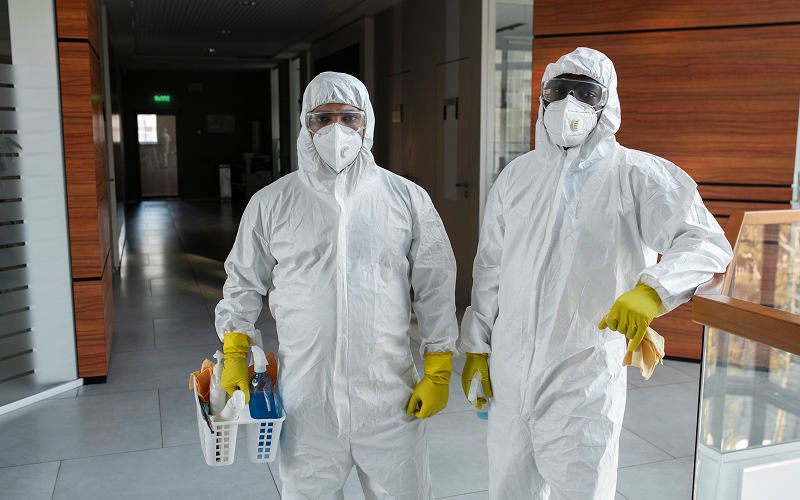
When unwanted pests invade your home or business, one of the first questions that comes to mind is how much pest control services will cost. In Singapore, the price of pest control can vary widely depending on several factors, including the type of infestation, property size, treatment method, and service frequency. Understanding these variables helps clients make informed decisions and budget realistically for reliable pest solutions.
1. Type of Pest Makes a Big Difference
The most influential factor in pest control pricing is the kind of pest you’re dealing with. Termite infestations usually require more extensive treatment, such as baiting systems or soil injection, which can increase costs significantly. In contrast, treating a small ant or cockroach problem may only require a simple gel application or spot treatment. Rodent control, bed bug removal, and mosquito management fall somewhere in between, depending on severity. Leading pest control services like Rentokil Singapore tailor their methods to the pest species, ensuring efficient results without excessive spending.
2. Property Size and Layout Affect Labour and Materials
Whether it’s an HDB flat, landed property, or commercial unit, larger or more complex floorplans require more labour hours and treatment materials. A five-room flat will cost more to service than a studio unit, while a food court or restaurant kitchen demands more frequent monitoring and site-specific tools. The price of pest control in Singapore tends to scale with square footage and the number of treatment zones, especially if hidden areas like ceiling voids or basement storage need to be covered.
3. Extent and Severity of Infestation
A mild, localised pest issue is generally easier to handle than a full-blown infestation spread across multiple rooms or structural elements. Severe cases often require multiple visits, intensive disinfection, and follow-up monitoring, which raises the final bill. For instance, termites in furniture versus termites in foundation beams will involve vastly different treatment scopes. Rentokil Singapore offers initial site surveys that help identify the severity before committing to a plan, giving clients a realistic view of expected costs.
4. One-Time vs. Ongoing Contracts
Some clients prefer a single treatment, while others opt for monthly or quarterly pest control plans. One-time services are typically more expensive per visit, while packages offer more value over time, especially in areas with recurring issues. Businesses, in particular, benefit from long-term contracts that include inspections, documentation, and guaranteed response times. Choosing a recurring schedule can reduce the price of pest control in Singapore per visit while ensuring ongoing protection.
5. Type of Treatment Method Used
The method of pest control is another factor that affects the price. This method could be chemical, biological, or mechanical, each with different cost implications. Basic gel baits and sprays cost less than heat treatment, fumigation, or advanced baiting systems. For example, termite baiting systems are more expensive upfront but offer longer-lasting results and less property damage. Rentokil Singapore uses a wide range of treatment methods, recommending solutions based on infestation type, environmental safety, and client preference.
6. Accessibility and Building Type
Certain structural factors complicate pest control procedures. High-rise buildings with restricted service hours, older properties with tight crawl spaces, and units requiring after-hours work can increase labour costs. Difficult access may require extra equipment or safety gear, especially when treating rooftops, drainage areas, or false ceilings. These logistical considerations are factored into most professional pest control services in Singapore when quoting a job.
7. Documentation and Compliance Needs
For commercial clients, pest control pricing may include NEA-compliant documentation, monitoring logs, and audit readiness. Food establishments, healthcare providers, and educational institutions often require detailed records of pest activity and control measures. Rentokil Singapore includes these reporting services in business contracts, ensuring clients meet local health and safety standards without incurring fines or reputational damage.
Conclusion
Pest control is not a one-size-fits-all service, and neither is its cost. The type of pest, property specifics, and level of infestation all play a role in determining the final bill. Reputable providers like Rentokil Singapore offer transparent pricing structures, detailed inspections, and customised solutions to match your needs. When it comes to safeguarding your property, understanding what you’re paying for allows you to choose a service that balances cost with long-term peace of mind.
To explore trusted pest control options tailored to your needs, contact Rentokil.