
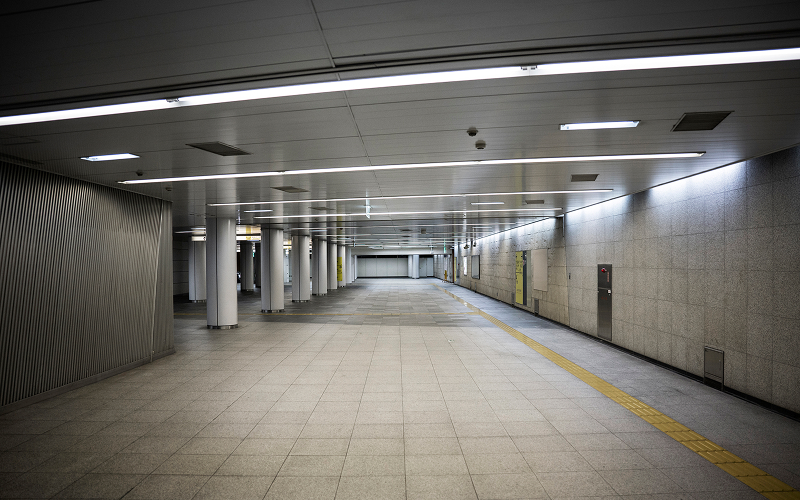
With rapid urbanisation, sustainable construction is no longer a preference; it is a necessity. Urban developers face the challenge of reducing the environmental footprint of buildings while maintaining functionality and cost-efficiency. Flooring, while often overlooked, plays a role in meeting these demands. Resilient flooring has emerged as a strategic material choice, offering a blend of performance, longevity, and sustainability. Below are the key reasons this material may shape the future of urban development.
Meeting Durability Standards in Urban Infrastructure
Urban environments demand flooring that can endure continuous foot traffic, moisture exposure, and rapid turnover in use. Resilient flooring meets these requirements by delivering long-lasting performance across various settings, including transport hubs, healthcare centres, offices, and housing. Its durability reduces the need for frequent replacement, which in turn cuts material waste and resource consumption. This longevity aligns directly with the goals of sustainable construction by minimising lifecycle impacts.
Supporting Waste Reduction and Circular Economy Goals
Construction and demolition waste represent a significant share of urban landfill content. Choosing resilient flooring that incorporates recycled materials or offers recyclability at the end of its service life helps address this challenge. Some variants are designed to be part of closed-loop systems, where old materials are reclaimed and reprocessed into new flooring. This reduces the burden on natural resources and aligns with urban sustainability frameworks that prioritise waste reduction and circular use of materials.
Improving Indoor Environmental Quality
As urban populations grow, indoor spaces become increasingly critical to public health. Resilient flooring contributes to improved indoor environments by offering low-emission options that meet strict air quality standards. Products with low volatile organic compound (VOC) emissions support healthier indoor conditions in dense urban settings where fresh air circulation may be limited. In hospitals, schools, and homes, the role of non-toxic, easy-to-clean flooring becomes essential for both hygiene and well-being.
Enhancing Design Flexibility in Space-Constrained Projects
Urban construction projects regularly contend with limited space, short timelines, and strict design criteria. Resilient flooring offers the flexibility to adapt to these conditions. Its ability to be installed over existing surfaces, along with ease of handling and maintenance, supports faster project completion and reduces labour and energy demands during installation. These efficiencies contribute to the broader objectives of sustainable construction without compromising versatility.
Aligning With Green Building Standards
Urban development projects aim for certifications such as LEED, BREEAM, or Singapore’s Green Mark. These programmes emphasise materials that support energy efficiency, water conservation, and reduced emissions. Many resilient flooring products contribute positively to these assessments through documented environmental performance. Their inclusion in construction plans helps developers meet certification thresholds and build environmental responsibility.
Responding to Climate and Moisture Challenges
Urban areas must manage high humidity levels, sudden temperature changes, and climate-induced moisture exposure. Resilient flooring performs well under these conditions due to its resistance to water damage and dimensional stability. Whether in high-rise residential towers or underground transit systems, its performance helps preserve the structural integrity of the space. This stability reduces maintenance and extends service life, further contributing to sustainable construction goals.
Supporting Affordability in Sustainable Projects
Cost remains a concern in urban construction, particularly in social housing, transport, and public infrastructure. While environmentally responsible materials are sometimes perceived as costly, resilient flooring offers a balance of price and performance. Its long lifespan, reduced installation time, and minimal maintenance requirements lower the total cost of ownership. This cost-effectiveness supports broader access to green building solutions, especially in large-scale urban projects.
Learn More: Sustainability with MAPEI – Delivering Projects with Offset CO2 Emissions
Enabling Scalability Across Building Types
Urban developments involve government offices and hospitals to apartment complexes and retail spaces. Resilient flooring can be adapted to different settings due to its variety of surface textures, wear layers, and substrate compatibility. This scalability allows planners to standardise material use while tailoring finishes to meet specific functional or aesthetic requirements. A single material category that meets different needs reduces complexity and procurement costs.
Encouraging Sustainable Consumer Behaviour
Urban buildings serve thousands of people daily. Choosing sustainable materials sets a standard and educates occupants about the role of materials in environmental performance. As these materials become more prevalent in schools, offices, and public buildings, they influence future purchasing decisions and expectations for sustainable spaces.
Contributing to Long-Term Urban Sustainability
When viewed across decades, resilient flooring’s impact on maintenance cycles, material conservation, and energy use makes it a valuable asset in sustainable development. Its ability to deliver high performance over time supports the long-term viability of urban buildings. By helping reduce environmental burdens without sacrificing functionality, it contributes to the resilience and sustainability of urban infrastructure.
For more information about resilient flooring for sustainable construction, contact Mapei Far East today.