
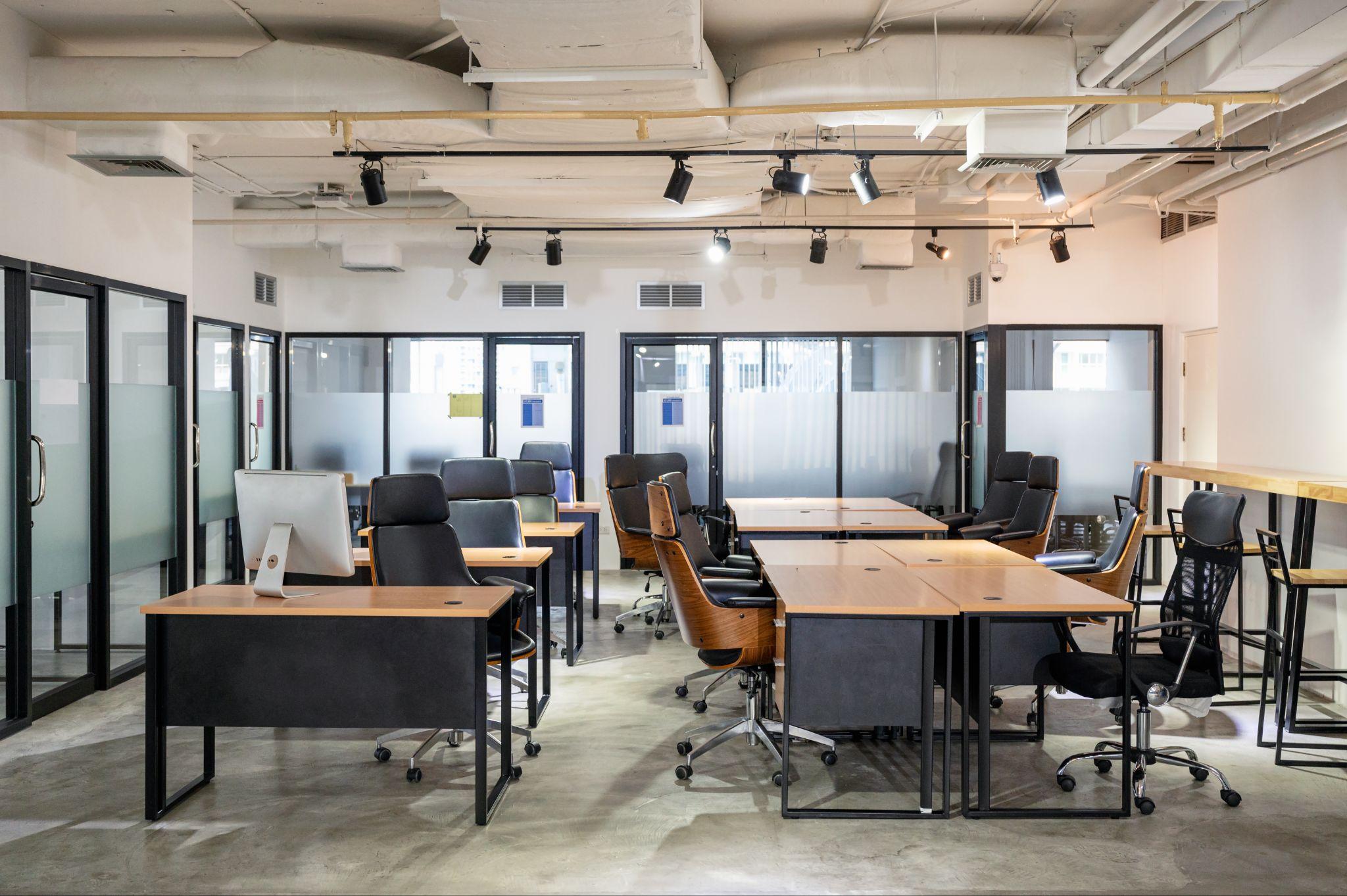
Commercial interior design plays a significant role in influencing how a workplace performs. As companies in Singapore continue to evolve, office design has shifted from being purely aesthetic to becoming a strategic investment in workforce effectiveness. Businesses now consider how layout, lighting, acoustics, and design culture contribute to employee focus and job satisfaction. When approached correctly, corporate interior design planning supports both the physical environment and the psychological needs of staff, leading to better results across the board.
Layout Choices That Encourage Flow
The way people move, work together, and focus in an office is determined by its layout. Balance is essential in a hectic business setting. While fully open layouts can become noisy and chaotic, too many partitions might hinder collaboration. Employees have the freedom to decide where and how they work with a customised layout. Adaptive furniture or spatial zoning are common ways to accomplish this flexibility. This keeps the team cohesive while enhancing individual focus. Functionality that accommodates different working styles is at the heart of commercial interior design in this setting.
Lighting and Colour Psychology
Beyond its visual appeal, a well-lit office has a significant impact on employee productivity and well-being. Natural lighting reduces eye strain, improves mood, and supports healthy circadian rhythms. In places where sunlight is limited, thoughtful artificial lighting becomes essential. Cool lights can boost alertness in work zones, while warmer tones may be used in break areas to promote relaxation. Colour choices are also tied to psychological outcomes. Soft blues encourage calm, muted greens support balance, and pops of yellow can bring energy. Corporate interior design strategies should reflect an understanding of how these elements affect focus and motivation.
Multi-Use and Flexible Spaces
The most effective workspaces allow for seamless transitions between tasks. Employees may begin their day answering emails at a shared bench, attend a video meeting in a quiet booth, and then brainstorm in a creative lounge. Commercial interior design often includes flexible elements such as modular furniture, movable partitions, and designated quiet or collaborative spaces. These design features make it easier for employees to shift between modes of work without needing to adapt to a rigid setting. A space that accommodates multiple functions increases productivity without sacrificing comfort.
Acoustic Planning for Mental Clarity
Sound affects concentration in subtle but powerful ways. Poor acoustics can lead to mental fatigue, distractions, and reduced task performance. Acoustic zoning is a fundamental principle of effective corporate interior design. This practice involves strategically placing louder, collaborative areas away from zones that require quiet focus. This can be achieved through soundproofing materials, acoustic panels, or even simple spatial buffers like greenery or bookcases. An environment that minimises unnecessary noise supports deep work and reduces cognitive strain.
Designing for Well-being and Movement
A productive workspace is also one that promotes movement and health. Static postures can lead to discomfort and reduced energy over the day. Commercial interior design incorporates ergonomic seating, adjustable desks, and strategically placed break areas to encourage natural movement. Incorporating elements like indoor greenery and daylight exposure also supports mental well-being. These factors combine to reduce stress, improve morale, and help people sustain energy throughout the workday.
Branding and Culture Integration
Office interiors should communicate company values. When a design truly reflects the brand, it reinforces employee identity and pride. This is achieved through the deliberate use of colours, materials, and spatial storytelling. Corporate interior design work often integrates visual cues that remind teams of their purpose. This might include mission statements subtly displayed, collaborative zones named after internal milestones, or visual motifs inspired by the company’s work. Such touches foster a sense of belonging and encourage long-term engagement.
Conclusion
A well-designed workplace is a silent partner in every business operation. A space’s design shapes how employees feel, think, and interact. This influence has a significant impact on everything from operational efficiency to company culture. Commercial interior design, when implemented with intention, becomes a long-term strategy for growth and productivity. It is not just about making an office look modern but about creating a space that actively supports success.
Find a silent partner in your business’s success. Let the experts at JD & Partners design a workspace that actively drives growth and productivity. Contact us for a strategic consultation.