
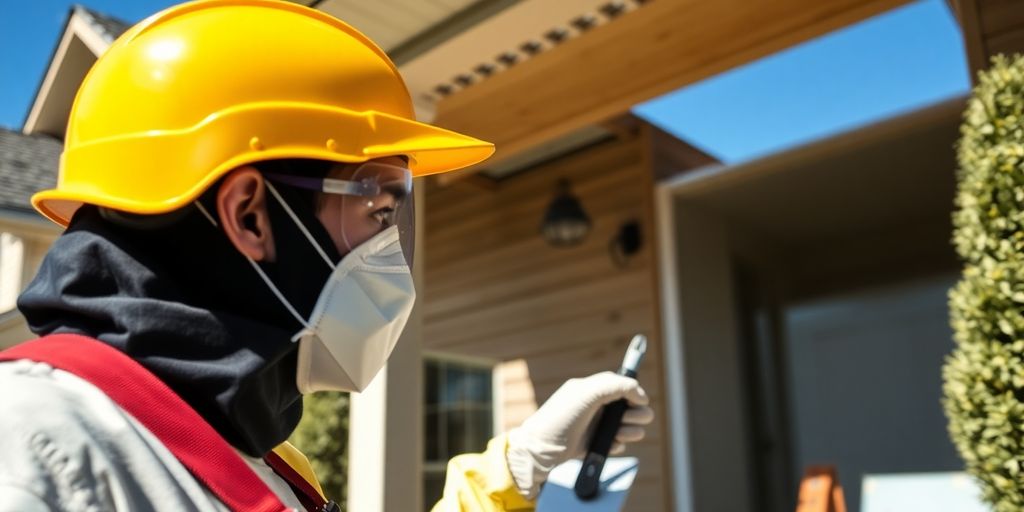
Factors Influencing Inspection Costs
Asbestos inspection costs can vary widely, and several factors play a role in determining the final price. The size of your home is a major factor; larger homes require more time and testing, which can drive up costs. The geographic location also impacts pricing. In busy urban areas, demand for inspectors can inflate prices, while remote locations might incur additional travel fees. Accessibility is another consideration. If inspectors need to get into hard-to-reach areas like crawlspaces or attics, expect additional charges.
Average Cost of Asbestos Inspections
On average, an asbestos inspection can cost around $535, but this can range from as low as $135 to as high as $1,841 depending on the specifics of the inspection. The price can quickly escalate if multiple tests are needed. For those in California, asbestos inspection costs range from $231 to $778, showcasing the variability even within a single state.
Cost Comparison with Other Home Inspections
When comparing asbestos inspections to other types of home inspections, it’s clear they’re on the higher end. For instance:
- Electrical inspections average around $82.
- Septic tank inspections cost approximately $103.
- Termite inspections come in at about $139.
- Mold inspections can be as high as $727.
These figures highlight why understanding the costs associated with asbestos inspections is crucial. For those considering DIY options, an asbestos test kit might offer a more affordable alternative, though professional inspections are recommended for comprehensive assessments.
Key Components of an Asbestos Inspection
Areas Commonly Inspected for Asbestos
During an asbestos inspection, inspectors carefully examine parts of a home where asbestos is often found. These areas typically include:
- Shingles: Often used in older roofing materials, they may contain asbestos.
- Textured paints and finishes: Think of those popcorn ceilings that were all the rage in the past.
- Insulation: Especially around pipes and attics where heat resistance was needed.
- Pipe coatings: Used for thermal insulation, these can be a hidden asbestos risk.
- Floor tiles and adhesives: Common in homes built before the 1980s.
- Protective barriers: Found around furnaces and stoves.
Types of Asbestos Tests Conducted
Inspectors use different tests to determine the presence of asbestos:
- Air Testing: This involves checking the air for asbestos fibers using a special filter. It’s crucial for identifying airborne asbestos.
- Physical Sample Testing: Inspectors take small samples of materials suspected to contain asbestos, like insulation or floor tiles, for lab analysis.
- Dust Testing: This test involves collecting dust samples from various surfaces to check for asbestos particles.
Role of the Asbestos Inspector
The asbestos inspector’s job is to conduct a thorough examination of the home to identify potential asbestos hazards. They:
- Turn off HVAC systems to prevent the spread of asbestos fibers during the inspection.
- Cover areas with plastic sheeting to avoid contamination.
- Prepare a detailed asbestos report outlining their findings and any lab results.
Understanding the role of an asbestos inspector can help homeowners better prepare for the inspection process and know what to expect from the results.
Factors Affecting Asbestos Inspection Costs
Size and Layout of the Home
The size of your home is a significant factor in determining the cost of an asbestos inspection. Larger homes require more time and resources to inspect thoroughly. Inspectors need to cover more ground and potentially take more samples, which can drive up costs. The more extensive the testing required, the higher the overall expense will be. Additionally, the layout of the home can influence costs. Complex layouts with multiple levels or hard-to-reach areas can increase the inspection time and effort, leading to higher fees.
Geographic Location and Accessibility
Your geographic location can also impact the cost of an asbestos inspection. In urban areas, where demand for inspectors might be higher, costs can be elevated. Conversely, in rural or remote areas, inspectors might charge extra for travel time. Accessibility of the areas to be inspected is another crucial factor. If inspectors need to access challenging locations like attics or crawl spaces, or if they have to remove parts of walls or floors, this can add to the cost. Easy access generally means lower costs, while difficult access can significantly increase the price.
Type and Number of Tests Required
The type of asbestos tests conducted and the number required are also major cost determinants. Common tests include air testing, physical sample testing, and dust testing. Each test type has its own cost structure. For instance, air testing can range widely in price, depending on the size of the home and the number of samples needed. Physical sample testing is typically the most common and can be quite costly if multiple samples are required. Dust testing, while generally less expensive, still adds to the overall cost if needed in multiple areas. The specific combination of tests required for a thorough inspection will ultimately dictate the final cost.
Different Types of Asbestos Tests and Their Costs
Air Testing Costs
Air testing is a common method used to detect asbestos particles in the atmosphere of a home. This test involves collecting air samples through specialized filters, which are then analyzed in a lab to identify any asbestos fibers present. The cost for air testing typically ranges from $200 to $800, depending on factors such as the size of the house and the number of samples needed. It’s a crucial step for homes with suspected airborne asbestos issues.
Physical Sample Testing Costs
Physical sample testing involves taking actual pieces of materials from the home, such as parts of a ceiling or insulation, and examining them for asbestos. This type of testing is often necessary when the source of asbestos is visible or suspected in specific areas. The cost for physical sample testing can vary widely, from $250 to $750, depending on the complexity and number of samples required. For those who prefer a more DIY approach, an Asbestos Testing Kit offers a cost-effective alternative with prices starting at $59.99.
Dust Testing Costs
Dust testing is another method used to identify asbestos by analyzing dust particles collected from various surfaces in the home. This test is generally less expensive, with costs ranging between $120 and $180. Dust samples are collected by the inspector and sent to a laboratory for analysis. This method is particularly useful for detecting asbestos in settled dust, which might not be airborne but still poses a risk if disturbed.
Each type of test has its own advantages and costs, making it important for homeowners to choose the right test based on their specific needs and budget. While the average cost of asbestos inspections can be around $330, as noted in many home inspection services, understanding these specific test costs can help in planning the overall budget for asbestos management.
Post-Inspection Steps and Considerations
Understanding the Inspection Report
After an asbestos inspection, homeowners receive a detailed report outlining the findings. This document includes information on areas tested, the type of asbestos found, and its condition. Understanding this report is crucial for making informed decisions about your home’s safety. If you have questions or need clarification, don’t hesitate to contact the inspector.
Options for Asbestos Removal or Containment
Once asbestos is identified, homeowners have a few options:
- Removal: This involves hiring a certified asbestos abatement professional to safely remove asbestos materials from your home. It’s often the most comprehensive solution but can be costly.
- Containment: Also known as encapsulation, this method seals asbestos materials with a special adhesive, preventing fibers from becoming airborne. It’s a less expensive alternative to removal but may not be suitable for all situations.
- Leave in Place: If the asbestos is undamaged and not in a high-traffic area, it might be best to leave it undisturbed. However, this option requires regular monitoring to ensure the material remains intact.
Timeline for Receiving Test Results
The time it takes to receive test results can vary. Typically, homeowners can expect results within a few days to a week. During this period, it’s essential to minimize disturbance to any suspected asbestos materials. For more detailed information on asbestos testing and regulations, refer to the Utah Division of Air Quality asbestos program, which provides guidelines and compliance information.
Choosing the Right Asbestos Inspector
Certification and Experience Requirements
When it comes to selecting an asbestos inspector, certification is non-negotiable. An inspector must possess the necessary EPA certification to ensure they are qualified to handle the job safely and effectively. This certification is a testament to their training and understanding of the risks associated with asbestos. Beyond certification, the inspector’s experience plays a crucial role. An experienced inspector will be familiar with various scenarios and potential problem areas in a home, making them more adept at identifying asbestos. It’s advisable to verify their track record by asking how long they’ve been in the field and the number of inspections they’ve conducted.
Questions to Ask Potential Inspectors
Before hiring an asbestos inspector, it’s wise to prepare a list of questions to gauge their competence and transparency. Here are some essential questions:
- Are you EPA-certified? This confirms their legal ability to conduct inspections.
- How much experience do you have with asbestos inspections? Experience often correlates with reliability.
- Is it safe for me to remain in the house during the inspection? Safety should always be a priority.
- What areas of my home will you inspect for asbestos? Understanding the scope of the inspection helps set clear expectations.
- How long will it take to receive the test results? Timely results are important for planning any necessary actions.
How to Compare Inspection Quotes
Comparing quotes from different inspectors is a practical step to ensure you get a fair price. Start by gathering multiple estimates from local inspectors. Pay attention not only to the total cost but also to what the quote includes. Does it cover all necessary tests, or are there additional fees? It’s important to understand the full scope of what’s being offered. Also, consider checking online reviews or asking for recommendations from friends or family who have previously hired an asbestos inspector. This can provide insights into the inspector’s reliability and quality of service. Finally, don’t forget to select a qualified asbestos removal professional if any asbestos is found, as proper removal is crucial for safety.
Comparing Asbestos Inspection Costs Across Regions
Cost Variations in Urban vs. Rural Areas
When it comes to asbestos inspection costs, location plays a big role. In urban areas, the demand for inspectors is usually higher, which can drive up prices. However, because there are more inspectors available, you might find competitive pricing. On the other hand, if you live in a rural area, the cost might increase due to travel expenses for the inspector. This is because reaching remote locations can be time-consuming and might require additional resources.
Regional Price Differences
Asbestos inspection costs can vary significantly from one region to another. For instance, in Seattle, WA, prices can range from $200 to $770, while in Bridgeport, CT, they might be between $310 and $870. Similarly, in Los Angeles, CA, you might pay anywhere from $210 to $530. These differences often reflect the local cost of living, demand for services, and even state regulations that inspectors must comply with.
Impact of Local Demand on Pricing
Local demand is another factor that can influence asbestos inspection costs. In areas where construction and renovations are booming, you might see a spike in prices due to increased demand for inspections. Conversely, in areas with less construction activity, prices might be lower. It’s also worth noting that in high-demand areas, you might have to wait longer to schedule an inspection. In such scenarios, utilizing a DIY asbestos home testing kit could be a cost-effective and timely alternative to professional inspections.
The Importance of Asbestos Inspections Before Renovations
Risks of Disturbing Asbestos During Renovations
Before diving into any renovation project, it’s crucial to consider the potential risks associated with asbestos. Disturbing asbestos-containing materials can release harmful fibers into the air, posing serious health risks such as lung cancer and mesothelioma. This is especially true for homes built before the 1980s, where asbestos was commonly used in construction materials. Conducting an asbestos inspection prior to renovations can prevent these fibers from becoming airborne, ensuring a safer environment for both the workers and residents.
Legal Requirements for Asbestos Inspections
In many regions, there are legal mandates requiring asbestos inspections before any renovation or demolition work can commence. These laws are in place to protect public health and to ensure that any asbestos present is managed safely. Homeowners should familiarize themselves with local regulations to avoid potential legal repercussions. Failing to comply with these requirements can result in hefty fines and project delays. It’s advisable to engage with certified professionals who can navigate these legal waters effectively.
Benefits of Early Detection
Identifying asbestos early in the renovation planning process offers several advantages. Firstly, it allows homeowners to budget accordingly for any necessary abatement or containment measures. Secondly, early detection can prevent costly project delays, as remediation can be scheduled into the renovation timeline. Lastly, knowing the presence of asbestos ahead of time provides peace of mind, as homeowners can be assured that the health risks associated with asbestos are being managed appropriately. Overall, early detection is a proactive step that safeguards both health and finances.
For more information on the risks of not conducting asbestos inspections prior to renovations, you can explore this article.
Alternatives to Asbestos Removal
Encapsulation as a Cost-Effective Option
When dealing with asbestos in the home, removal isn’t the only choice. Encapsulation offers a cost-effective alternative. This process involves applying a sealant to asbestos-containing materials, which helps to prevent the release of asbestos fibers into the air. It’s a quicker and less invasive method compared to full removal. Encapsulation is particularly useful in areas where the asbestos is not likely to be disturbed, such as in ceilings or walls. Homeowners should, however, ensure that encapsulation is performed by trained professionals to maintain safety standards.
Pros and Cons of Leaving Asbestos in Place
Leaving asbestos in place, rather than opting for removal, has its own set of pros and cons. On the positive side, it avoids the high costs and potential hazards associated with removal. It also reduces the risk of exposure during the removal process itself. However, it requires ongoing monitoring to ensure the asbestos remains undisturbed and encapsulated properly. There is also the risk of future renovations inadvertently disturbing the asbestos, which could lead to contamination. Homeowners must weigh these factors carefully and consult with experts to decide the best course of action.
When to Consider Full Removal
In some situations, full removal of asbestos is the best option. This is often the case when asbestos-containing materials are damaged or in areas that will be disturbed by renovations. Full removal eliminates the risk of exposure and is the only permanent solution. However, it is more expensive and requires professional asbestos abatement services. Homeowners should consider full removal if they plan to sell their home, as it can be a selling point to potential buyers concerned about asbestos. Additionally, local regulations may require removal in certain circumstances, so it’s important to be aware of the legal requirements in your area.
Understanding Asbestos and Its Health Risks
Common Sources of Asbestos in Homes
Asbestos was once a popular material in building construction due to its durability and resistance to heat, fire, and chemicals. It can be found in various parts of older homes, especially those built before the 1980s. Some common sources include:
- Insulation: Often used in attic and wall insulation, asbestos provided an effective barrier against heat loss.
- Flooring materials: Vinyl tiles and the adhesives used to install them frequently contained asbestos.
- Roofing and siding shingles: Asbestos cement was a common choice for roofing and siding due to its toughness.
Although asbestos use has been significantly reduced, it can still be present in older buildings, posing a risk if disturbed.
Health Implications of Asbestos Exposure
Exposure to asbestos fibers can lead to serious health issues. When asbestos-containing materials are disturbed, tiny fibers are released into the air. Inhaling these fibers can cause:
- Mesothelioma: A rare cancer affecting the lining of the lungs, chest, or abdomen.
- Lung cancer: Asbestos exposure can significantly increase the risk of developing lung cancer.
- Asbestosis: A chronic lung disease that causes scarring of lung tissue, leading to breathing difficulties.
There is no safe level of asbestos exposure, and the risk increases with the amount and duration of exposure. It’s crucial to manage asbestos-containing materials properly to prevent these serious health risks.
Preventive Measures for Homeowners
To minimize the risks associated with asbestos, homeowners should consider the following preventive measures:
- Regular inspections: Hire a professional to conduct regular inspections, especially if your home is older.
- Avoid disturbing materials: Do not drill, cut, or sand materials that may contain asbestos.
- Professional removal: If asbestos is present and poses a risk, hire a certified professional for removal or containment.
By taking these steps, homeowners can protect themselves and their families from the dangers of asbestos exposure.
Links
Robert King Mesothelioma Law Services